


Because rigid core floors like SPC are incredibly dense and rock-hard, they require a backing pad to absorb impact, dull room acoustics, and smooth out minor subfloor imperfections. In today’s B2B market, offering a pre-attached underlayment pad is no longer a luxury upgrade—it is a mandatory specification that retail buyers and contractors expect out of the box.
When customizing your flooring lines with an OEM factory partner, you will primarily face a choice between two industry-standard backing materials: EVA and IXPE. Both can work well for SPC and LVT flooring, but they offer different balances in comfort, sound performance, moisture resistance, density, and cost.
There is no single “best” pad for every product line. The right choice depends on your target market, price positioning, installation environment, and the customer experience you want to deliver. In this guide, we will break down the key differences between EVA and IXPE underlayments in a simple, practical way, so you can choose the option that best fits your flooring collection.
What Are EVA and IXPE?
Before we pin them against each other in a head-to-head comparison, let’s quickly define what these foam underlayments actually are.
What is EVA? (Ethylene-Vinyl Acetate)
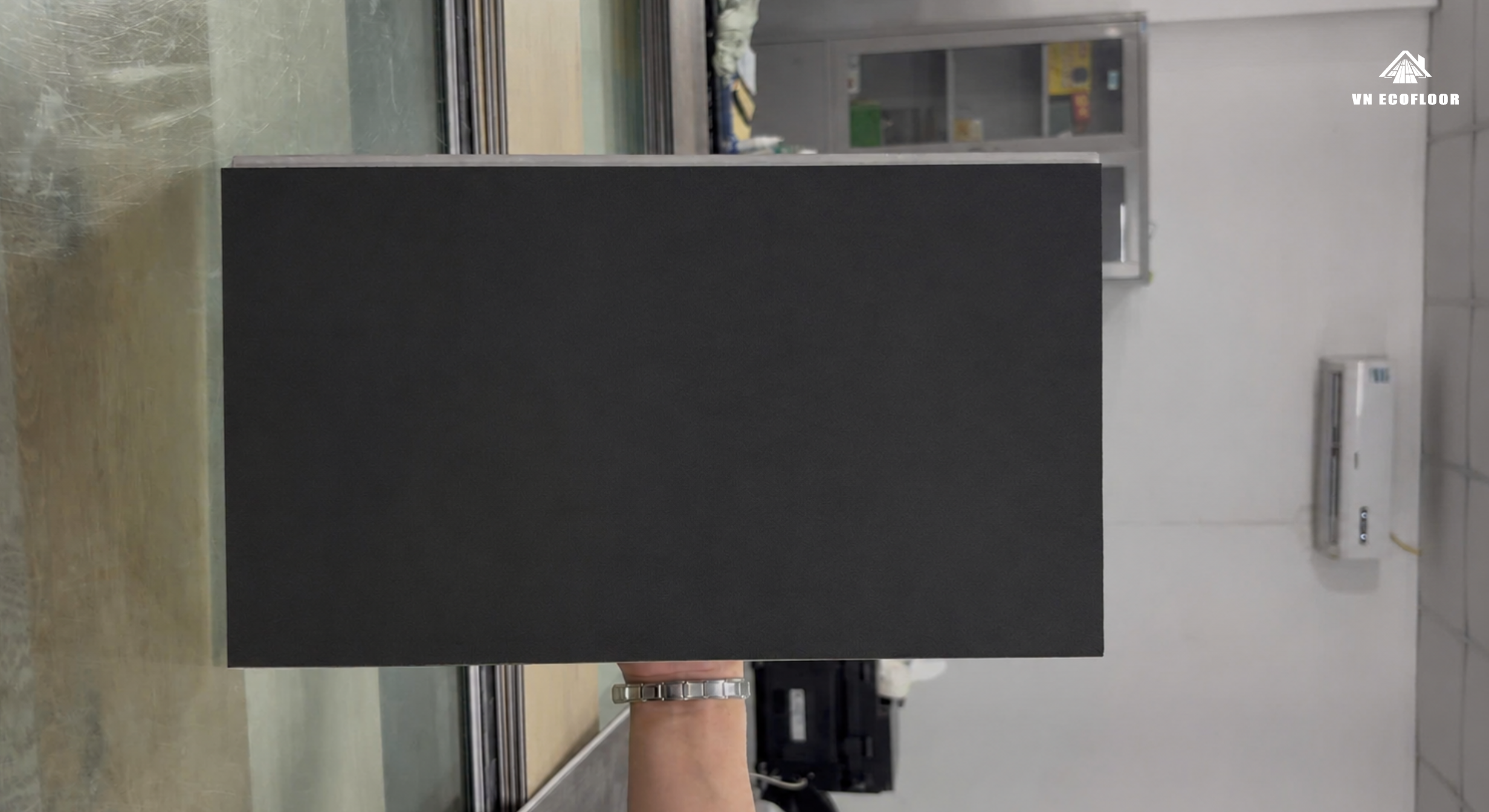
EVA is a traditional, rubber-like copolymer foam that has been used across the footwear, sports equipment, and flooring industries for decades. In flooring, EVA is commonly used as a pre-attached backing pad because it is flexible, comfortable underfoot, and helps reduce impact sound. Its density and long-term compression performance can vary depending on the foam formulation and quality.
What is IXPE? (Irradiated Cross-Linked Polyethylene)
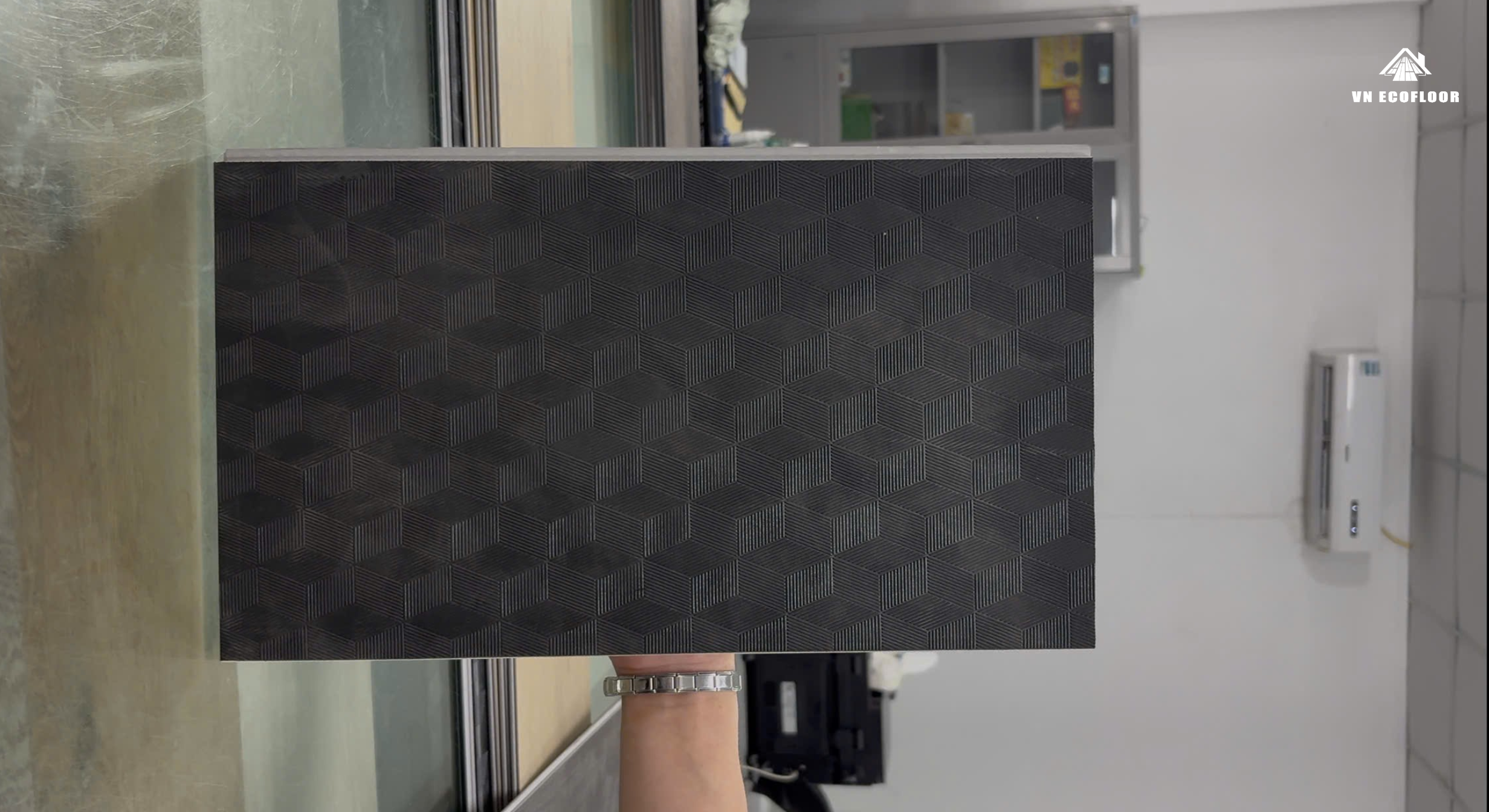
IXPE represents the new-school era of flooring tech. It is a closed-cell polyolefin foam that undergoes a specialized physical irradiation process. This irradiation cross-links the molecular bonds, creating a hyper-uniform, dense, and incredibly micro-porous structure. In flooring underlayment, IXPE is valued for its good moisture resistance, stable thickness, lightweight feel, and better long-term compression recovery compared with many basic foam pads.
Head-to-Head B2B Comparison
To maximize your private label’s value, you need to match your underlayment spec to your target market’s demands and budget. Neither pad is universally “better,” but they serve completely different performance goals.
| Key Sourcing Criteria | EVA Underlayment Pad | IXPE Underlayment Pad |
|---|---|---|
| Material Structure | Traditional closed-cell EVA foam with a flexible, rubber-like feel. | Irradiated cross-linked polyethylene foam with a fine, uniform closed-cell structure. |
| Surface Appearance | Usually has a plain, smooth surface with no embossed pattern. | Often comes with an embossed or cross-patterned surface, giving it a more premium appearance |
| Odor | Some EVA pads may have a slight odor | High-quality IXPE is usually nearly odorless. |
| Acoustic Performance (STC / IIC) | Excellent at dampening impact sounds (footsteps traveling to the floor below). | Excellent at dampening ambient noise (hollow click-clack sounds inside the room). |
| Moisture Resistance | Good for normal indoor use but can degrade if exposed to long-term subfloor dampness | Excellent moisture resistance; closed-cell structure helps minimize water absorption. |
| Long-Term Compression Recovery | Good cushion recovery, but holds a higher risk of slight indentation under permanent, extreme static loads. | Superior Memory Retention: Acts like millions of micro-springs, springing back to thickness after heavy static weight is moved. |
| Underfloor Heating Compatibility | Moderate thermal dissipation; acts as a solid insulator to keep floors feeling warm naturally. | Excellent thermal stability; transfers heat uniformly without any risk of structural melting or warping. |
| Sourcing Cost Profile | Lower upfront cost; budget-friendly. | Slightly higher cost; supports mid-range to premium positioning. |
| Best Target Market | High-volume residential lines, multi-family housing projects, large commercial tenders, and price-sensitive distribution networks. | Premium residential, light commercial, higher-end retail collections. |
EVA or IXPE: Which Underlayment Fits Your Market Best?
Instead of looking at underlayments through a “good vs. bad” lens, experienced sourcing managers know that every project has a unique blueprint, a specific target budget, and an ideal end-user. The trick isn’t finding the most expensive pad; it’s matching the right material to the right commercial challenge.
When to choose EVA?
If your brand is currently targeting high-volume residential lines, multi-family housing developments, or price-sensitive distribution channels, EVA is a massive commercial asset.
- Unbeatable Cost Efficiency: Let’s face it—pricing matters when you’re moving volume. EVA allows you to offer clients the convenience of a pre-attached pad while keeping your factory purchasing costs (FOB) incredibly low. This gives you the financial breathing room to price your containers aggressively, helping you crush the competition on big-box retail contracts or massive multi-family tenders.
- The “Plush” Barefoot Comfort: Because EVA is naturally rubbery and elastic, it has a beautiful, forgiving bounce to it. It acts like a shock absorber for the body. For residential homes, bedrooms, and apartments where families spend half their day walking barefoot, this extra bit of cushioning is a huge selling point.
- Job-Site Toughness: There is nothing worse than an underlayment that shreds during transit or installation. EVA pads are incredibly flexible and tear-resistant. They won’t rip or flake when installers are cutting planks on-site, ensuring a smooth, headache-free installation process.
When to choose IXPE?
On the flip side, if you are building a flagship private-label collection or bidding on heavy-duty commercial projects like luxury hotels, corporate headquarters, or healthcare clinics, IXPE aligns seamlessly with high-end expectations.
- The Antidote to Permanent Indentations: Think about heavy pool tables, massive display cases, or heavy office furniture sitting in place for years. Thanks to its cross-linked molecular memory, IXPE acts like millions of microscopic springs. It compresses just enough to absorb pressure but bounces right back to its original shape when the furniture is moved, protecting your click-lock joints from flattening out over time.
- An Airtight Subfloor Seal: Because IXPE is completely non-porous and chemically inert, it acts as a built-in hydrophobic shield. If you are selling into high-humidity regions or areas prone to subfloor dampness (like basements), IXPE completely locks out vapor migration, naturally resisting mold, mildew, and unwanted odors underneath the floor.
- That Solid, Genuine Wood Acoustic: Walk across a cheap vinyl floor in high heels, and you’ll hear an annoying, hollow “click-clack” plastic echo. IXPE absorbs ambient acoustic frequencies beautifully. It dampens the echo inside the room, giving thin rigid core planks the solid, reassuring acoustic weight of genuine hardwood.
Are you looking for a vinyl flooring manufacturer in Vietnam that offers both EVA and IXPE underlayment options?
You need a flexible, established OEM partner in Vietnam who can handle your budget-friendly volume lines and your high-end luxury specs under one roof.
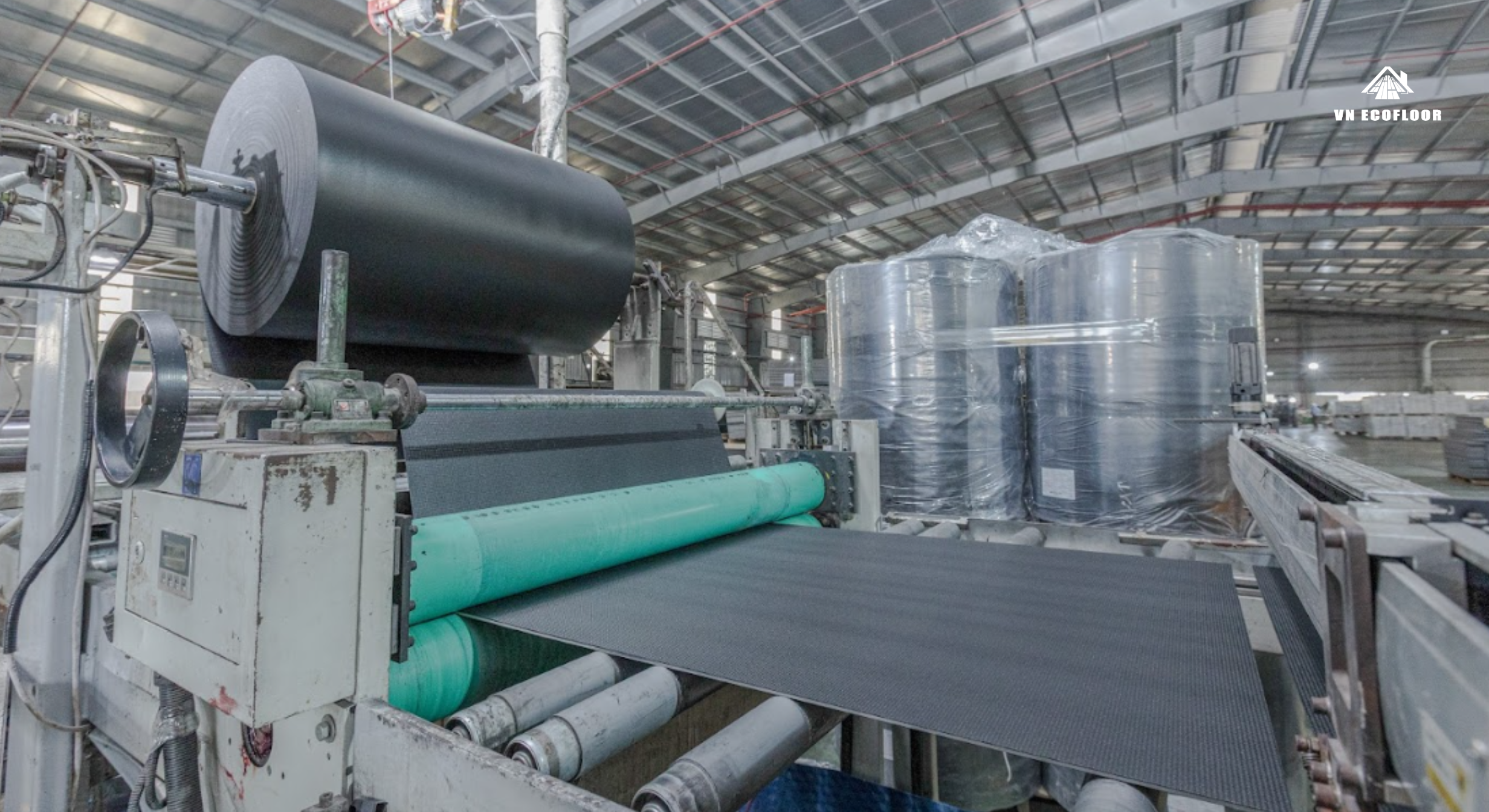
We are – VN Ecofloor isn’t a new factory riding a recent sourcing trend. Operating as an export-focused manufacturing leader out of Vietnam since 2017, the VN Ecofloor team brings nearly 10 years of global wisdom directly to your supply chain, serving the hyper-demanding markets of the USA, Canada, and Europe. When you collaborate with us, you get total freedom over your backing specifications:
- We permanently fuse your choice of EVA or IXPE backing pads directly onto your SPC or LVT lines with zero messy edges, zero peeling, and perfect alignment.
- Strictly 100% Virgin Resins: We treat quality control inside the plank like a science. Regardless of the backing pad you choose, we back it up with a 100% Virgin Resin rigid core. This means absolute dimensional stability, zero structural warping, and full peace of mind with strict international indoor air quality audits like FloorScore® and CE.
- The Ultimate All-in-One Supply Chain: We give your brand maximum market agility. You can manufacture your volume property-management lines with a cost-competitive EVA pad and build your premium flagship line with an irradiated IXPE backing—all run smoothly within the same factory, utilizing the same seamless logistics.
In a crowded market, you don’t want to over-engineer your budget lines or under-spec your luxury collections. You want a manufacturing partner that truly understands market segmentation.
👉 [VISIT VN ECOFLOOR TO REQUEST TECH SAMPLES]
Ready to feel the elasticity of our EVA, test the spring-back memory of our IXPE, and check our click-locking strength yourself?
Head over to our official website at vnecofloor.com or connect directly with our B2B sourcing team to customize your physical OEM sourcing sample kit today.
Hotline/WhatsApp: +84 88 801 81 28
Official Website: vnecofloor.com
FAQs
1. What is the main difference between EVA and IXPE underlayment?
The main difference is in the foam structure and performance positioning. EVA is a flexible, rubber-like foam that offers good comfort and cost efficiency. IXPE is an irradiated cross-linked foam with a finer closed-cell structure, better thickness recovery, stronger moisture resistance, and a more premium feel.
2. Is EVA underlayment good for SPC and LVT flooring?
Yes. EVA is commonly used as a pre-attached backing pad for SPC and LVT flooring. It helps improve underfoot comfort, reduce impact sound, and make the flooring feel softer during daily use. It is also a strong option for high-volume residential projects and price-sensitive distribution channels.
3. Why do some buyers prefer IXPE underlayment?
Buyers often choose IXPE for better long-term performance. IXPE offers strong compression recovery, good moisture resistance, stable thickness, and a cleaner, more premium underfoot feel. This makes it a good choice for premium residential collections, light commercial spaces, hotels, offices, and higher-end retail lines.
4. Which underlayment is better for sound reduction, EVA or IXPE?
Both can help with sound reduction, but they perform slightly differently. EVA is good at softening impact sounds, such as footsteps on the floor below. IXPE is often preferred when buyers want to reduce the hollow “click-clack” sound inside the room and create a more solid flooring feel.
5. Is IXPE always better than EVA?
Not always. IXPE is usually the more premium option, but EVA can be the smarter choice when the project is focused on cost efficiency, large-volume orders, or standard residential use. The best option depends on your target market, product positioning, budget, and installation environment.
6. Which underlayment should I choose for heavy furniture or commercial use?
For spaces with heavy furniture, rolling loads, or long-term static pressure, IXPE is usually the better choice. Its cross-linked structure gives it stronger compression recovery, which helps the pad return closer to its original thickness after pressure is removed. This can help protect the click-lock system and reduce long-term indentation risks.
7. Can an OEM flooring manufacturer offer both EVA and IXPE backing?
Yes. A flexible OEM flooring manufacturer can offer both options depending on your product line. For example, you can use EVA for budget-friendly volume collections and IXPE for premium or commercial-focused collections. This gives your brand more flexibility across different markets without changing factory partners.