


So, you have a gorgeous new SPC (Stone Plastic Composite) floor installed. It is smooth, hard, and, thanks to its limestone core, virtually a tank compared to the old-fashioned laminate.
And yet a “tank” requires a tune-up to maintain a showroom shine. The SPC flooring is among the least maintenance flooring solutions—provided you maintain it properly. At VN Ecofloor, we have almost ten years of experience in exporting high-performance flooring to the world market, and we know that the trick to a floor that will last 20 years without getting old is not some magic chemical but intelligent habits.
The following are the 5 fastest tips to maintain your SPC floor in good condition.
Learn to use the Damp Mop (Not Soaking Mop)
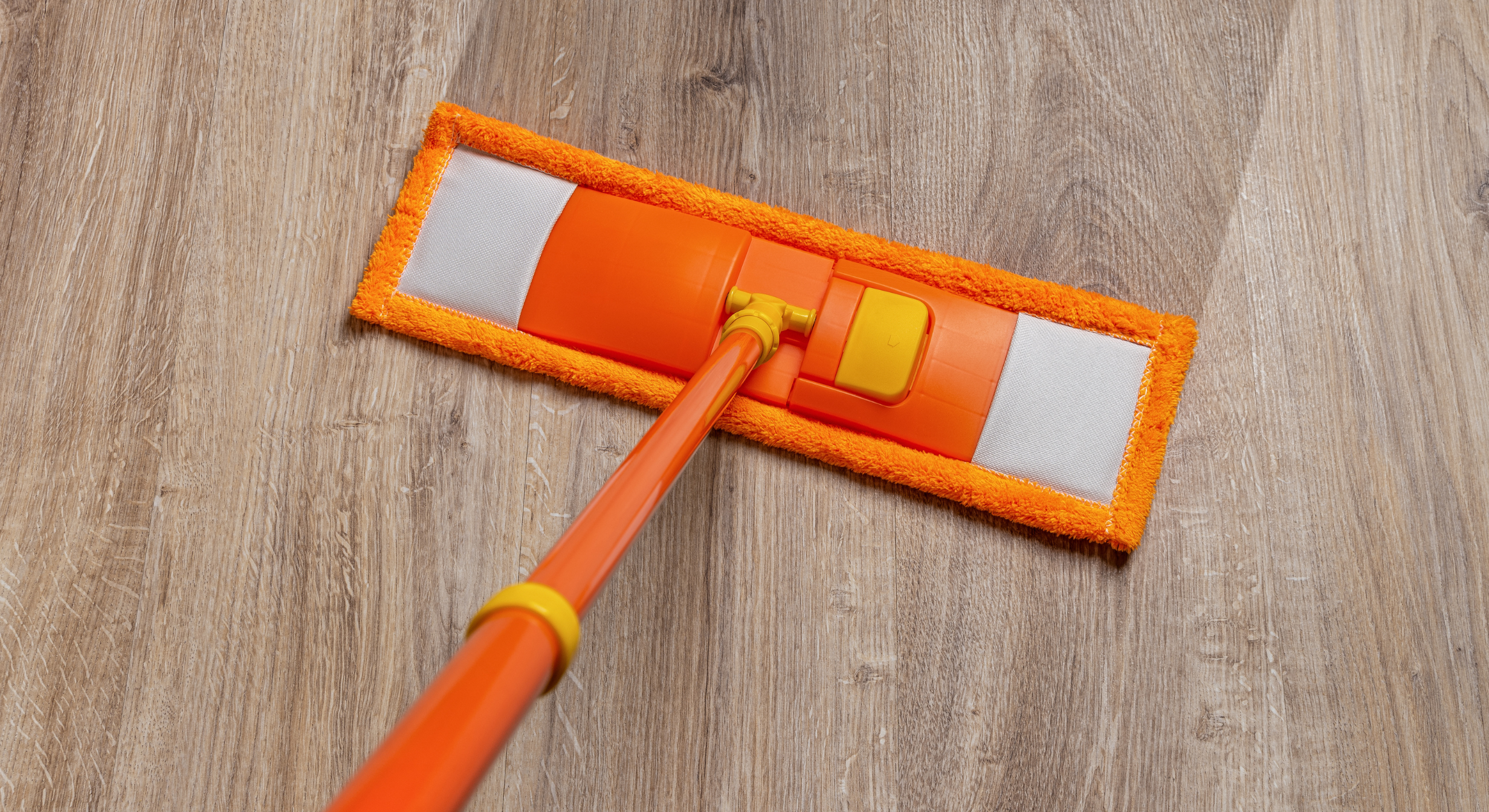
While SPC is 100% waterproof, your subfloor might not be. The abundance of water may leak through the crevices and accumulate beneath, causing odor problems in the long run.
The Pro Tip: Have a damp, not dripping, microfiber mop.
The Cleaner: Use PH-neutral cleaners. Nasty chemicals or mop-and-shine chemicals may leave the dulling coating on your high-definition wear layer.
Defend Against “Invisible Sandpaper”
The largest enemy of any floor is not a heavy piano—it is the minute grains of sand and grit under your feet. Over time, it becomes sandpaper-like and micro-scratches the surface.
The Pro Tip: Install good walk-off mats at all entrances.
The Cleaner: Sweep or vacuum (with the beater bar turned OFF) at least twice a week. Lab abrasion tests show that surface friction is the key factor in wear—keeping the floor clean significantly reduces micro-scratches.
Use Felt Pads for Furniture
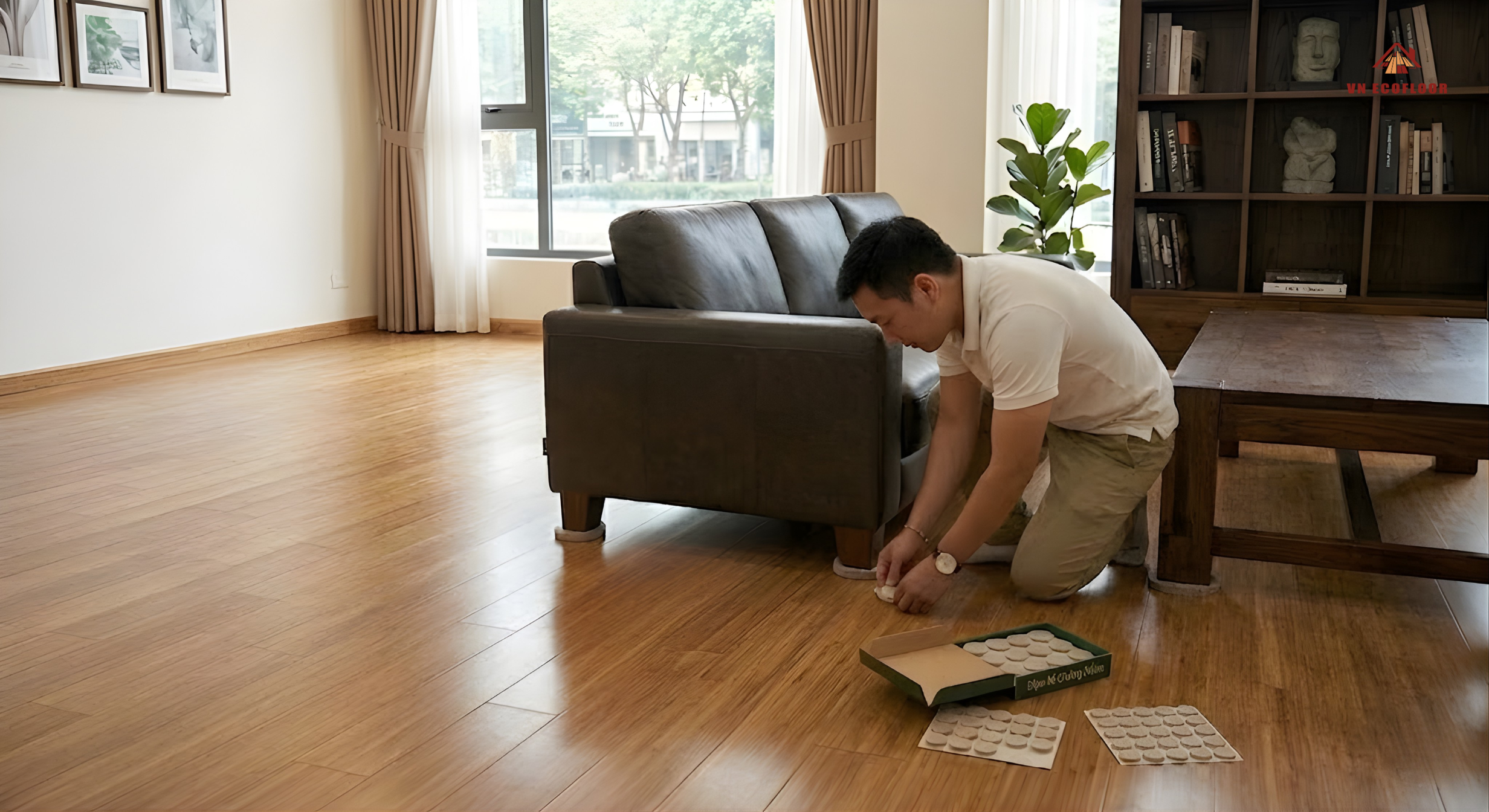
The Impact Resistance of SPC is phenomenal, yet a 200lb cabinet and the use of sharp plastic legs can still place a large load on the click-lock joints.
The Pro Tip: Place thick felt pads on the bottom of any furniture legs to protect the surface.
The Golden Rule: Limit drag-free furniture. Lift it. Dragging creates horizontal stress, which can compromise the integrity of the locking system that is designed primarily for vertical load stability.
Control The ‘’Sun Trap’’
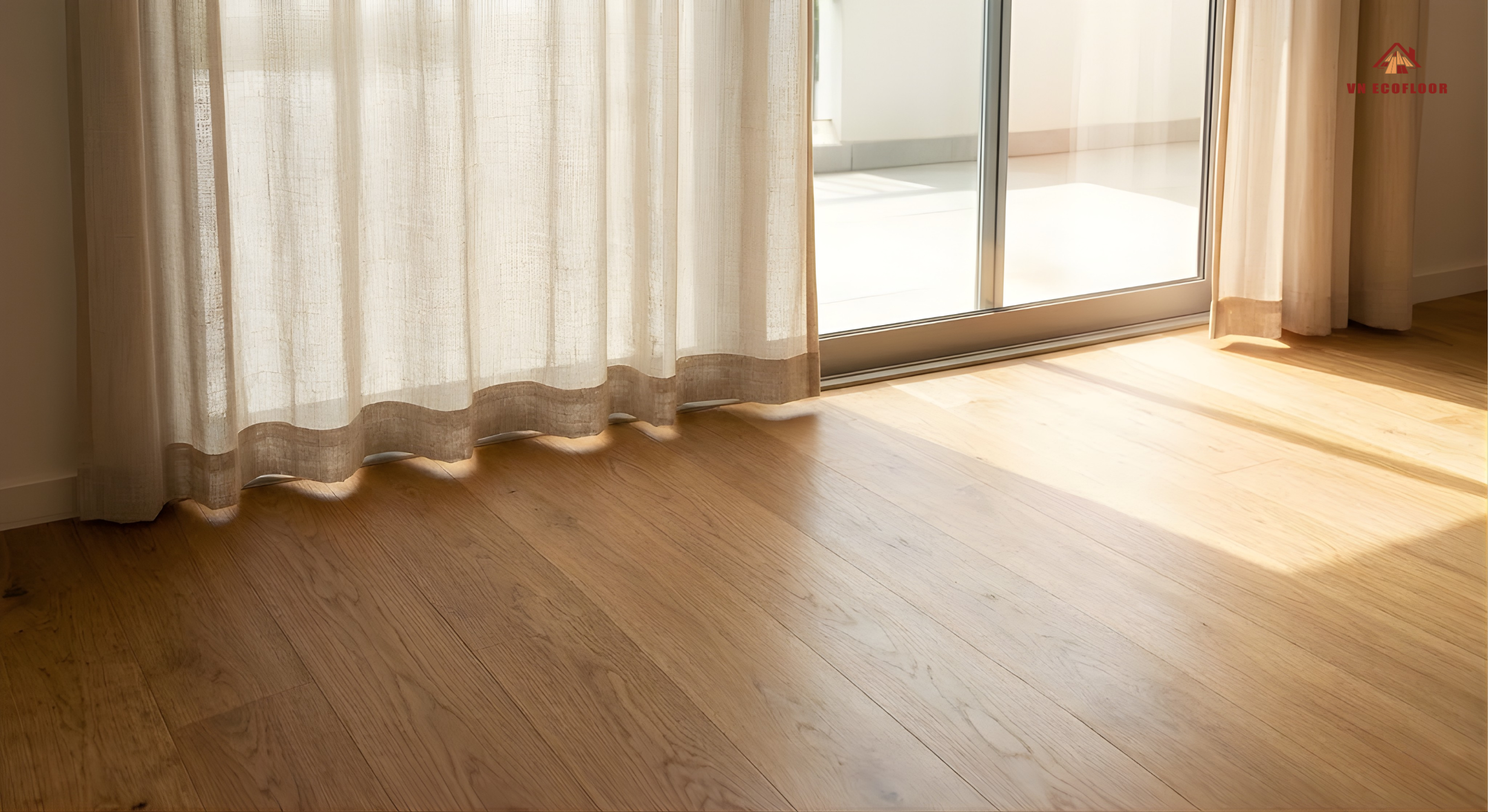
Although VN Ecofloor products undergo intensive color fastness tests, extended exposure to high, direct UV rays ultimately may have an impact on any substance.
The Pro Tip: In the daytime, when the sun is bright, pull loose curtains or blinds to soften the light. This does much more than preserve the color of the floor; it prevents excessive thermal expansion that can take place and keeps your dimensional stability in check.
Say “No” to the Steam Mop
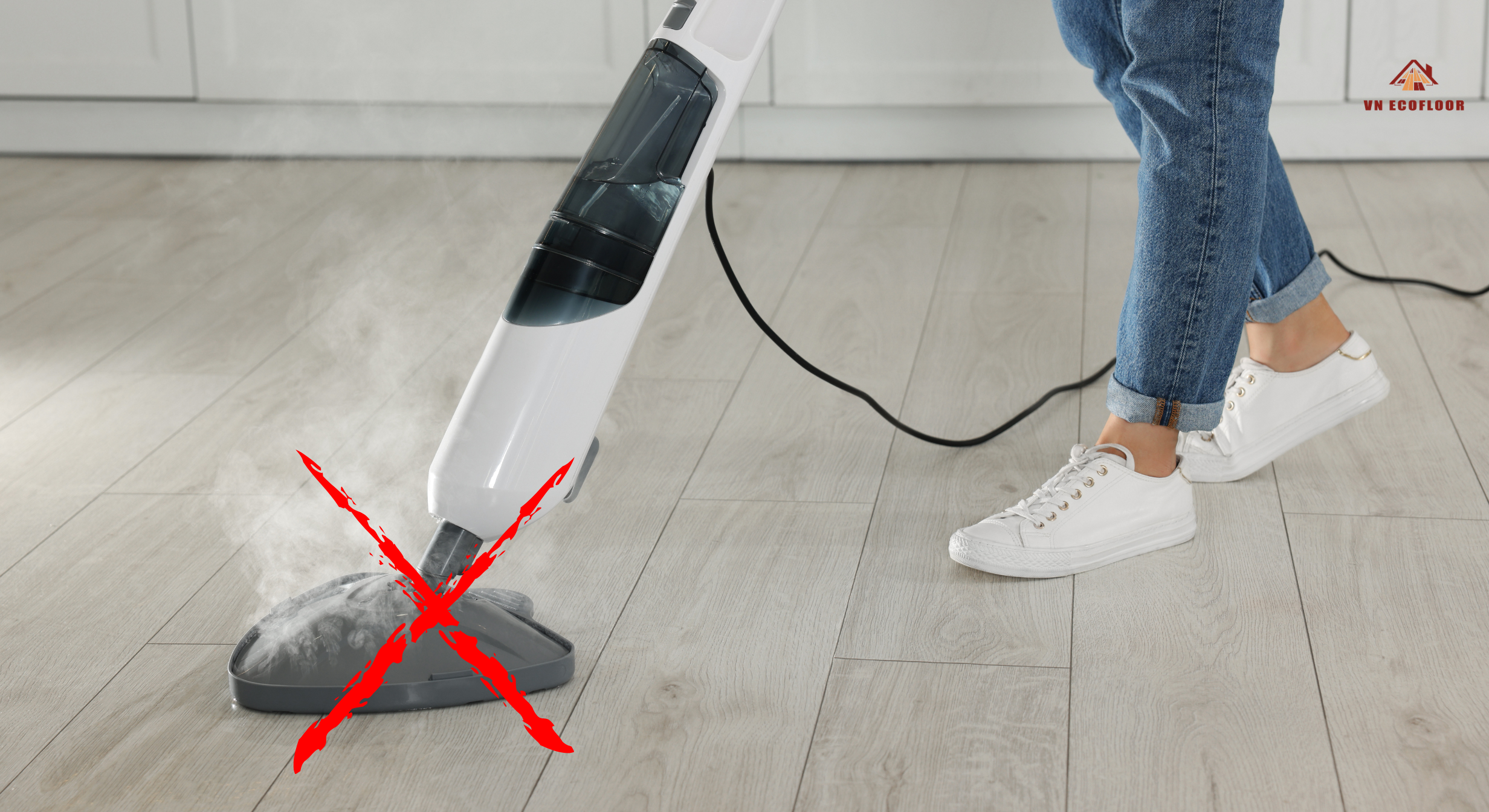
It’s a common mistake: “It’s waterproof, so I can steam it, right?” Wrong.
* The Risk: The intense, concentrated heat from a steam mop can reach up to 120°C. The concentrated heat and moisture can penetrate joints and weaken the locking system or adhesive layers over time.
The Pro Tip: A simple spray bottle of water and a diluted solution of water with a small amount of mild cleaner or vinegar (occasionally).
Expert Insight: Why Quality is Your Best Maintenance Strategy
The truth is, how “quick and easy” your cleaning routine feels depends entirely on the initial quality of your flooring. If a floor is built with poor materials, it will attract stains more easily and show wear faster, regardless of how much you clean it. This is why choosing a reputable manufacturer is the most critical maintenance step you can take.
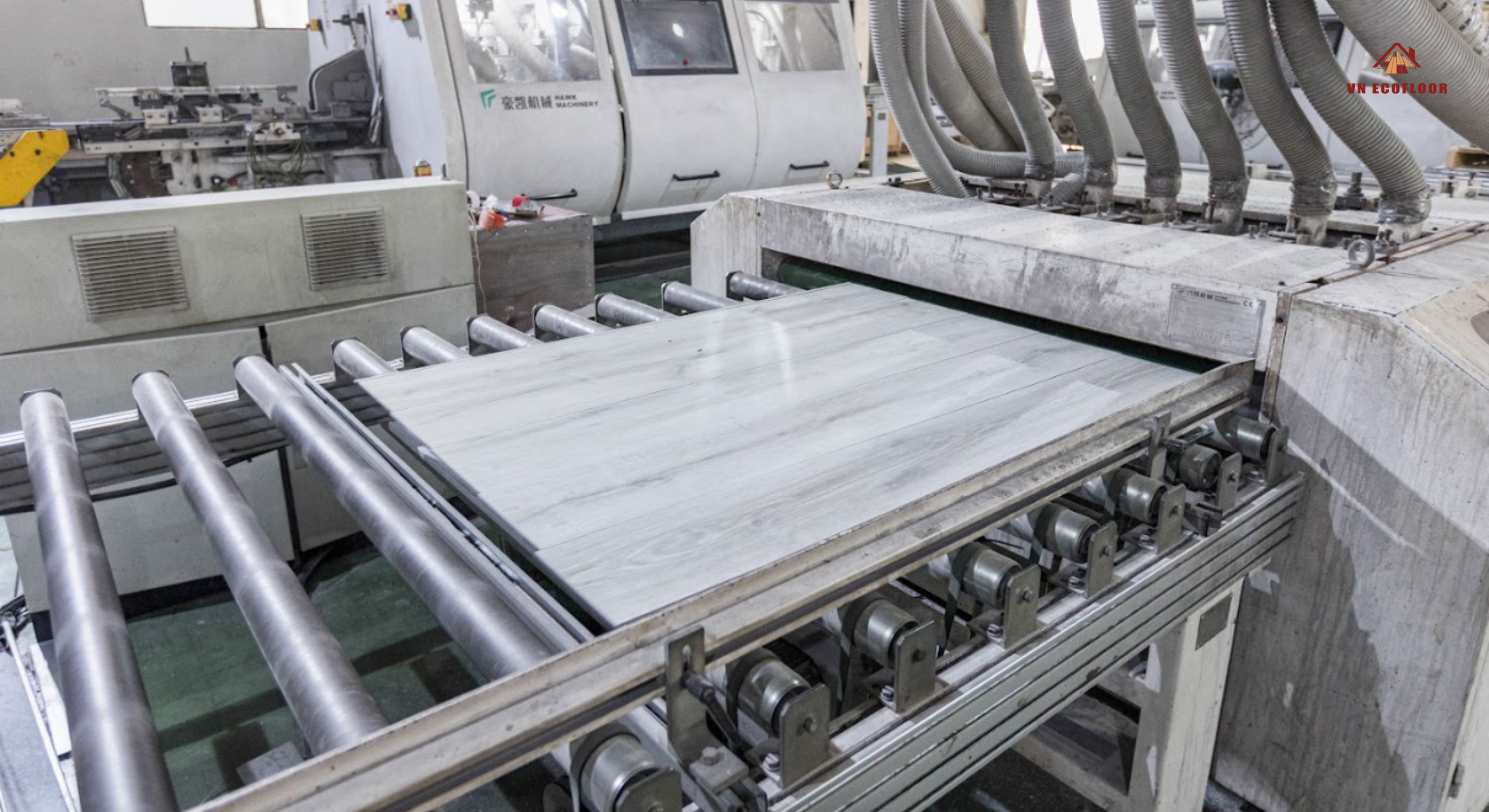
At VN Ecofloor, we bring nearly 10 years of expertise in manufacturing and exporting high-performance flooring to the most demanding global markets. We believe that a floor should work for you, not the other way around. By utilizing 100% Virgin Resin, we ensure each SPC plank possesses superior structural stability and a non-porous surface. This high-standard engineering makes our floors naturally more resistant to daily wear and tear, ensuring that your maintenance remains light, gentle, and stress-free for decades to come.
Ready to upgrade your space with flooring that’s built to last?
👉 [Browse the VN Ecofloor Collection] and see why 10 years of global export excellence makes all the difference.
- Hotline: +84 88 801 81 28
- Website: vnecofloor.com
Final Thoughts
Your floor is the foundation of your home’s aesthetic. By following these five simple steps, you aren’t just cleaning; you’re protecting an investment.
FAQs
- What is the frequency of cleaning SPC flooring?
To get maximum results, sweep or vacuum SPC flooring at least 2-3 times per week to eliminate very dirty and gritty dirt. Frequent cleaning of the floor can avoid micro-scratches and preserve the original look of the floor.
- Is it possible to wash SPC floors with water?
Yes, SPC flooring is 100% waterproof. Nevertheless, you must employ a damp mop rather than wet cleaning, which could result in soaking into joints once excessive water is used, causing odor problems in the long run.
- Which kind of cleaner should be applied to SPC flooring?
It’s recommended to use pH-neutral cleaners. Extreme chemicals should be avoided or mop-and-shine products may create a residue that flattens the wear layer.
- Is it possible to wash SPC flooring with a steam mop?
No. Steam mops provide a lot of heat and moisture and may, over the long term, penetrate joints and undermine the locking system or internal layers.
- What can I do to avoid scratches on SPC flooring?
Walk-off mats should be used at the entrances, and frequent cleaning to eliminate dust particles and felt pads should be used under furniture to minimize damage on the surface.
- Can SPC flooring be installed in outdoor areas?
No. SPC flooring is designed for indoor use only. While it is 100% waterproof, prolonged exposure to direct sunlight, extreme temperature fluctuations, and UV radiation can cause expansion, fading, and potential deformation over time. For outdoor areas, specialized exterior flooring materials are recommended.
- Does sunlight affect SPC flooring over time?
Although SPC flooring is quite stable in regard to color, it may fade or expand in case of long exposure to direct sunlight. Curtains or blinds are used to cover the floor to ensure its stability.