

We are going to take you through 12 of the most common kinds of flooring materials in the market today. The everlasting beauty of hardwood and the newest strength of vinyl will find a faithful overview of what is good, bad, and expensive and how well to use each material. At the conclusion of this article, you will be sure and knowledgeable enough to make the right choice when it comes to space.
Key Takeaways
Below, we will provide an overview of the 12 flooring types that we will discuss in detail:
Hardwood Flooring: Traditional, strong, and very valuable in resale.
Engineered Wood: appears to be real wood with enhanced moisture resistance compared to solid hardwood.
Laminate Flooring: An affordable, long-lasting substitute that resembles wood or stone.
Vinyl Flooring: It is highly versatile, made out of planks, tiles, or sheets, and is waterproof and quite tough.
Tile Flooring: This one is highly durable and waterproof; therefore, it is suited to kitchens and bathrooms.
Carpet Flooring: Cozy, comfortable and good sound-insulating
Bamboo Flooring: This is a sustainable type of flooring that is durable and has a very modern appearance.
Cork Flooring: Cork is a sustainable flooring that is soft, naturally insulating, and sustainable.
Rubber Flooring: This is very strong, non-slip, and flexible, and it can be used in gyms and playgrounds.
Stone Flooring: It is exquisite, and it is extremely tough with a rare natural beauty.
Linoleum Flooring: A timeless, durable, natural material.
Concrete Flooring: A low-maintenance, modern industrial style of choice for permanence.
12 Popular flooring materials
We are going to take the plunge into every flooring materials to see what is unique about it.
Solid Hardwood Flooring

Solid hardwood flooring is cut out of one piece of timber. It is an eternal decision that adds natural warmth and character to a house. Common trees are poplar, maple, and cherry.
Pros:
- Added resale value: Homebuyers all desire it.
- Lifespan: May take up generations with proper care.
- Refinishing: Scratches and wear can be refinished many times by being sanded down and refinished to give it the appearance of a new piece of furniture.
- Allergen-free: Does not pick up dust, pollen, etc.
Cons:
- Prone to a wet environment: not suitable for bathrooms or basements.
- Can scratch/dent: Likely to be damaged by heavy furniture, high heels, or pet claws.
- Expenses: A relatively high cost of the flooring.
- Price: $5 – 15 per square foot installed.
Best: Living rooms, spacious dining rooms, bedrooms, and hallways.
Engineered Wood Flooring
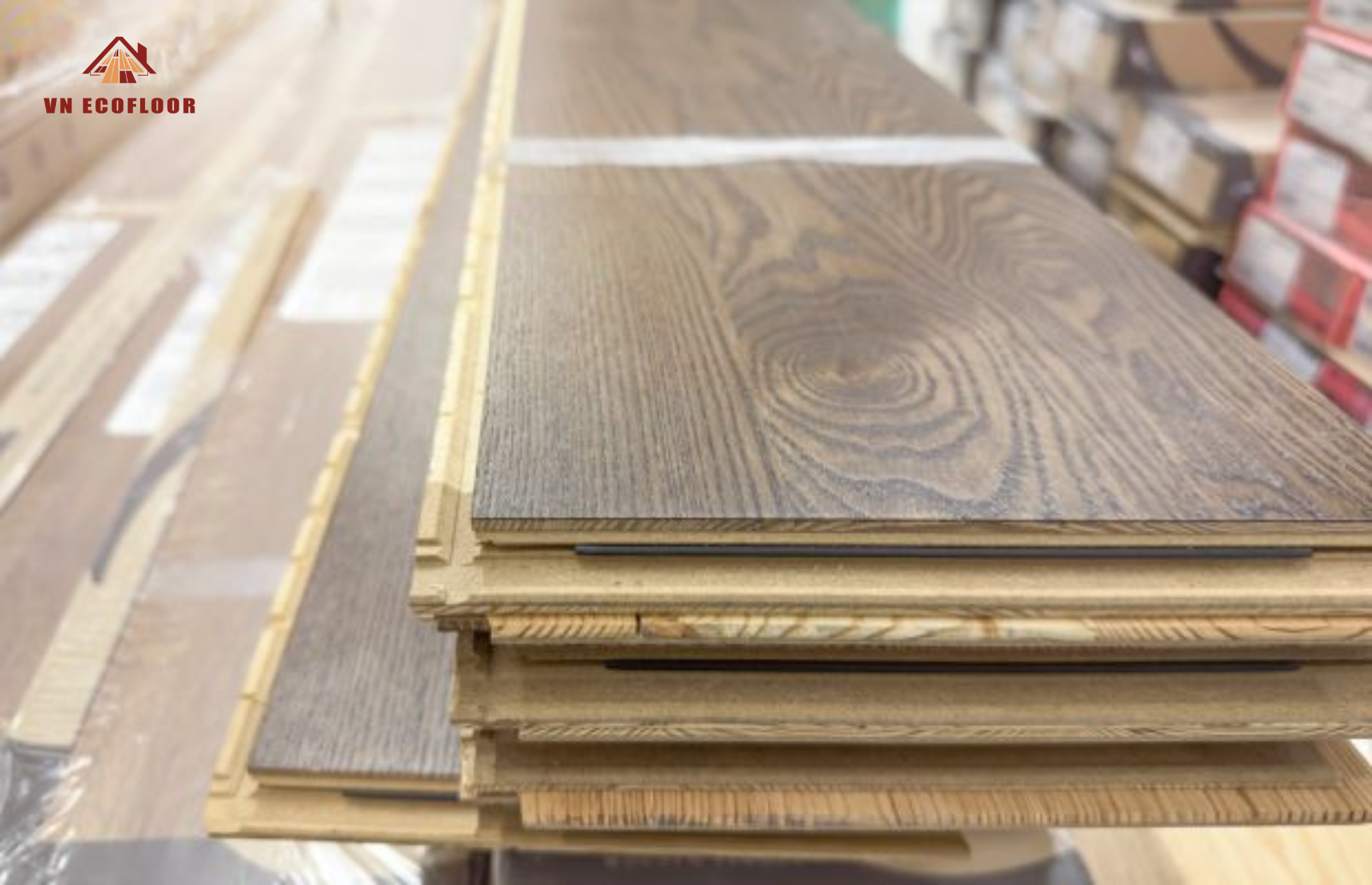
Engineered wood is a bonded layer of high-grade plywood or fiberboard with a thin top layer of hardwood. This type of construction is more stable and resistant to moisture as compared to solid hardwood.
Pros:
- Resistant to moisture: More qualified in practices within kitchens and basements when compared to solid hardwood.
- Real wood appearance: The top surface is real wood, with its true beauty.
- Installing flexibility: It can be installed on concrete subfloors.
- The Price: Typically cheaper than solid hardwood.
Cons:
- Limited refinishing: Sanding for only once or twice, according to veneer thickness.
- Intermittent quality: Quality may vary greatly among the manufacturers.
- Price: Prices are about 4 to 12 dollars per m² installed.
Best use: Any room where you desire the appearance of wood but requires greater resistance to dampness, such as a kitchen and a basement.
Laminate Flooring
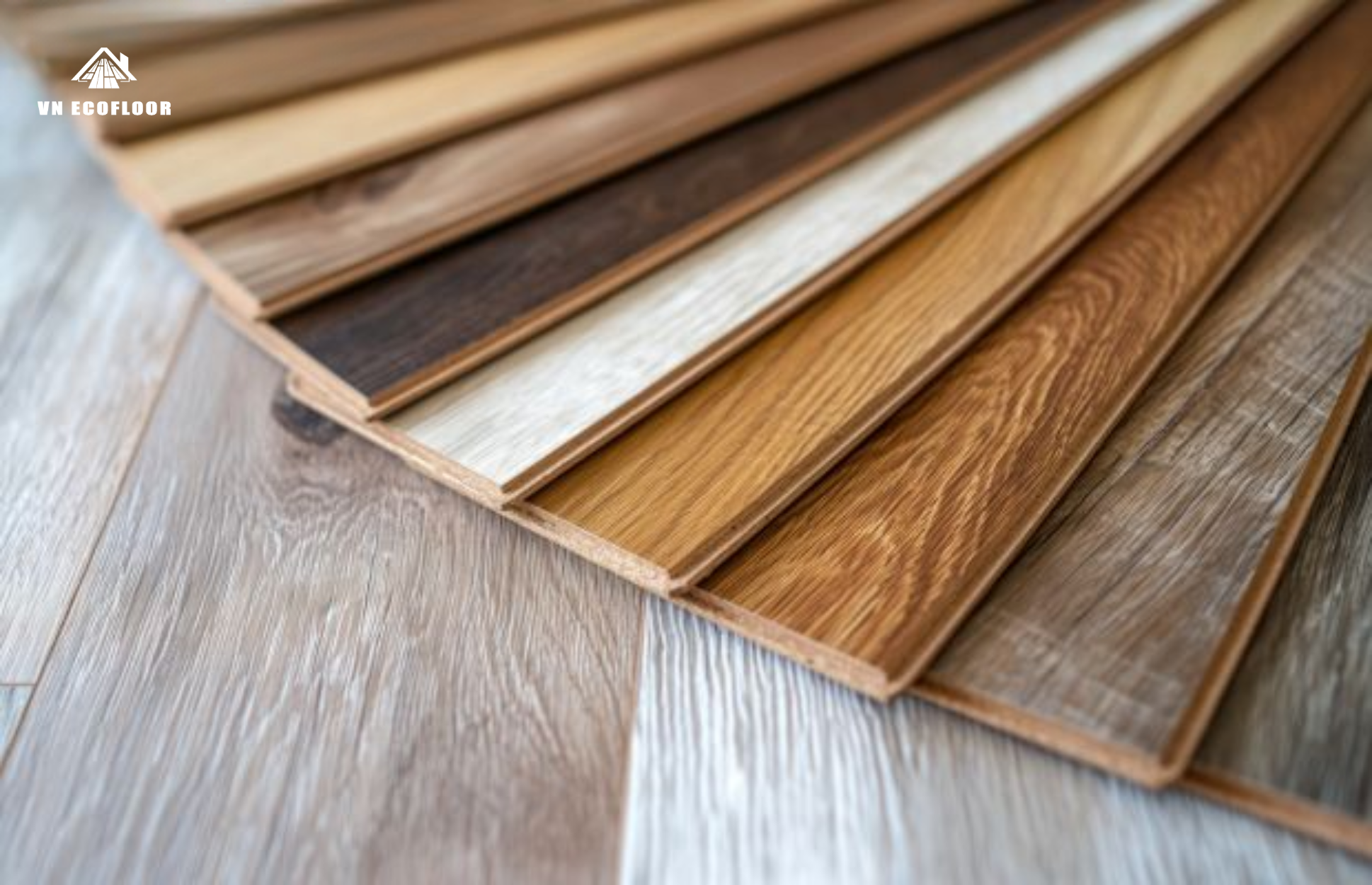
Laminate flooring is a synthetic product composed of multiple layers fused. The top layer is a high-resolution image of wood, stone, or tile, protected by a durable wear layer.
Pros:
- Very hardy: very tough to scratch, stain and fade away.
- Inexpensive: A low-cost substitute for hardwood or tile.
- Assemble with ease: It usually has a click-lock feature, and so it is a favorite DIY.
- Low maintenance: easy to service and repair.
Cons:
- Immense scratches or damage: Deep scratches or damage cannot be repaired; replacements of planks are to be done.
- Prone to water damage: As much as there are alternatives, standing water can disrupt them.
- Can sound hollow: It may sound hollow when stepped upon without a quality underlayment.
- Cost: The installed cost is approximately 3-9 per square foot.
Good for busy places, homes with kids and pets, and low-end refurbishments.
Vinyl Flooring
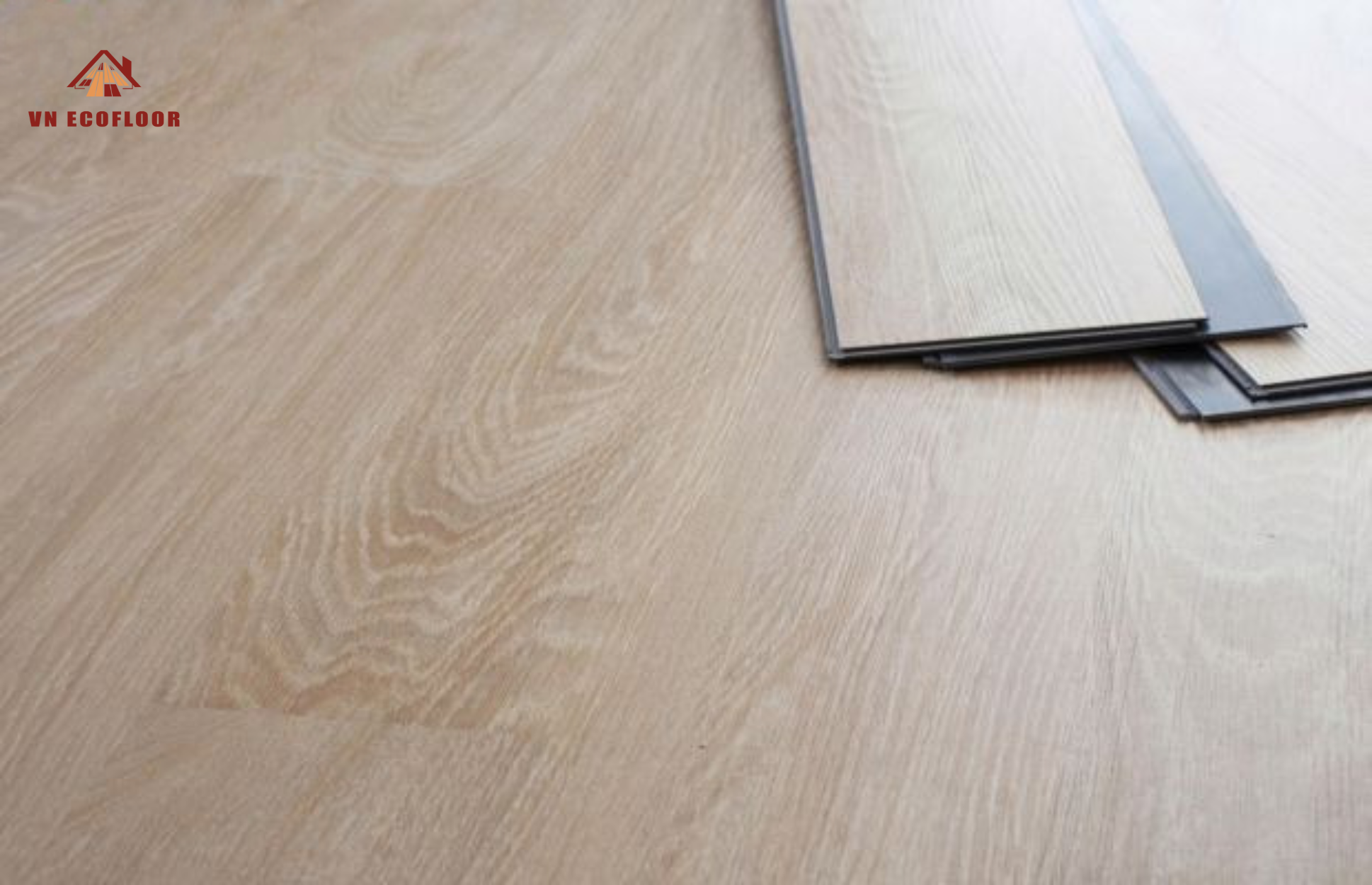
Vinyl is a very adaptable and tough flooring surface. Current vinyl is available in luxury vinyl tile (LVT) and luxury vinyl plank (LVP) options that provide very natural wood and stone appearances and in sheet vinyl to provide easy installations.
Pros:
- 100% Waterproof: The ideal option for bathrooms, kitchens, laundry rooms and basements.
- Very strong: scratch-free, scuff-free, and stain-resistant.
- Plush: Not as hard as tile.
- Simple to clean: Only simple sweeping and mopping are necessary.
Cons:
- Hard to heal: Gouges or deep cuts are difficult to fix, particularly with sheet vinyl.
- Subfloor flaws may display: Subfloor must be very smooth to install well.
- Not environmentally friendly: Processed with the help of PVC, a plastic.
- Price: $3 -10 per square foot
Best use: In any room of the home, but mostly those that are likely to have moisture and spills.
Tile Flooring

Tile is a type of floor covering that is composed of ceramic or porcelain and is among the most load-bearing flooring materials. It has no design limitations and offers a wide selection of sizes and color varieties, shapes, and patterns.
Pros:
- Extreme wear resistance: Scratch-, water-, and traffic-resistant.
- Waterproof: Suitability: Suitable in wet surroundings.
- Easy to maintain: The spills clean up, and it is easy to maintain.
- Hypoallergenic: No allergens present.
Cons:
- Hard and cold: Be uncomfortable to stand on for long.
- Slippery floor: In a wet state, grout lines may come to the rescue, yet glazed tiles are dangerous.
- Labor-intensive installation: This may be difficult to install, especially because it may need the hiring of a professional.
- Lines between tiles should be sealed: Grout is subject to staining, which is to be maintained occasionally.
- Price: It costs between 7 and 20 dollars installed per square foot.
Best: Kitchens, bathrooms, entrances, and laundry rooms.
Carpet Flooring
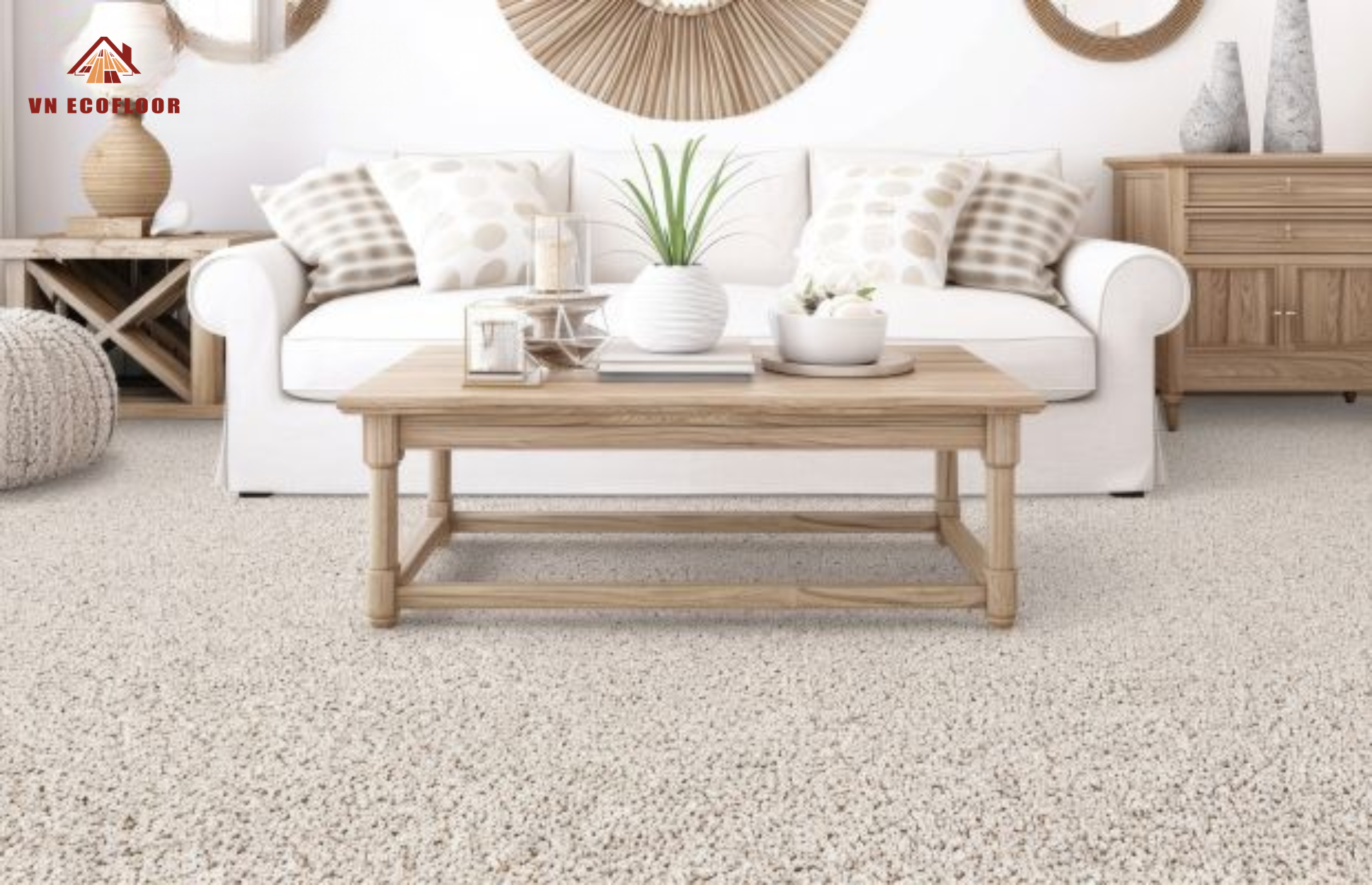
No other flooring can be compared to carpet in terms of comfort and warmth. It comes in an enormous range of colors, fabrics, and fibers (such as nylon, polyester, and wool).
Pros:
- Fidelity: Soft and warm to the touch.
- Noise reducing: Sound is absorbed, thus making rooms very silent.
- Non-Slip Surface: Beta Aids provides a safe surface, particularly for children and the elderly.
- Cost-effective: As a rule, it is one of the cheapest flooring materials.
Cons:
- Prestige allergens: May contain dust, pet dander, and other allergens.
- Stores easily: the hardest to clean up, especially light-colored carpets.
- Wearable shoes: Wear out in high-traffic areas.
- Price: The installed cost varies between around 3 and 8 dollars per square foot.
Best use: bedrooms, living rooms, and playrooms where comfort and quiet are desired.
Bamboo Flooring
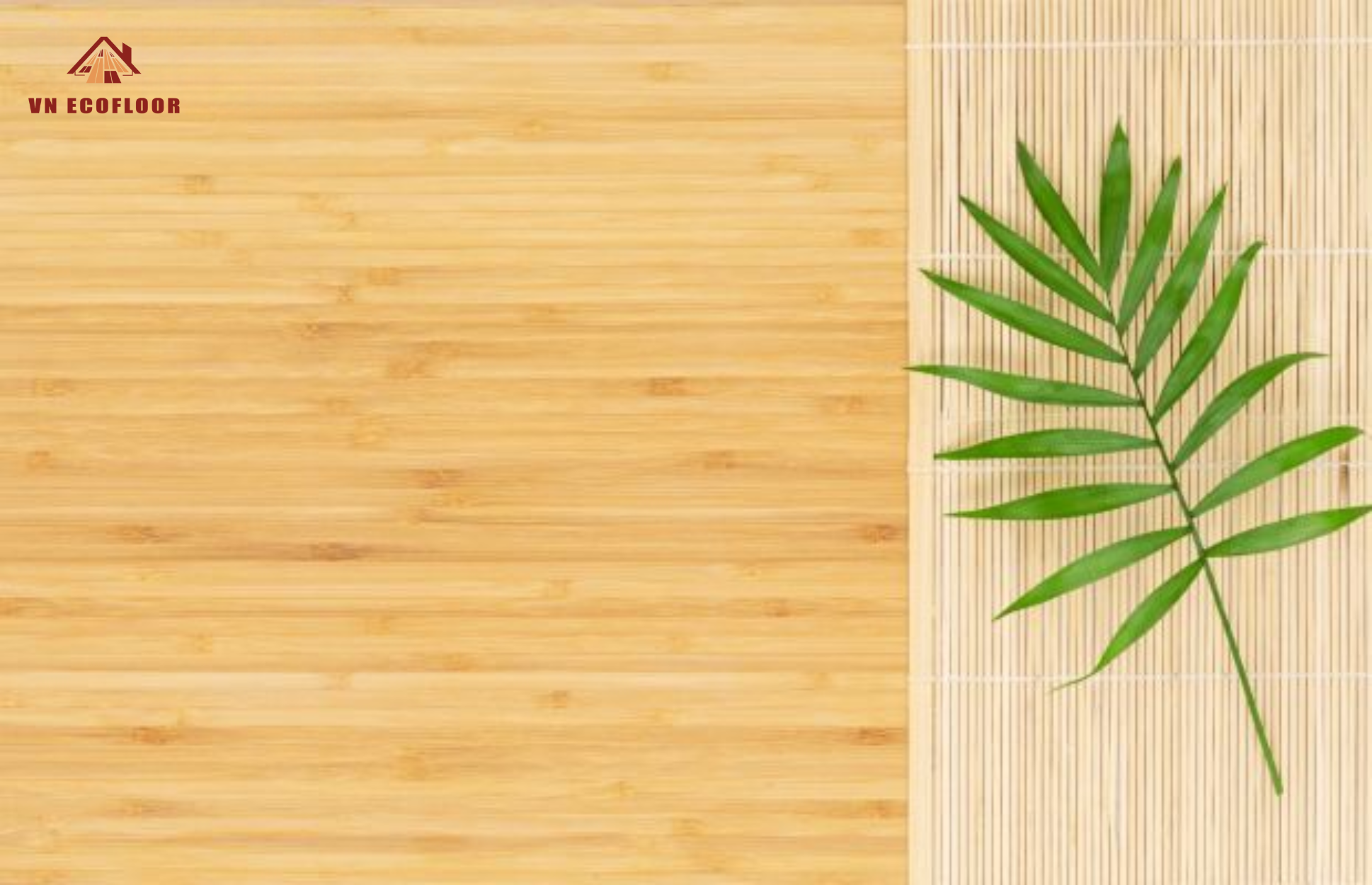
Bamboo is technically a grass, which is rapidly renewable and is now fabricated into a flooring material that is harder than most hardwood products. It is clean and modern in appearance.
Pros:
- Green: Bamboo is a very sustainable and renewable material.
- Sustainable: Strand-woven bamboo is remarkably hard and durable. In order to place its strength into a point of reference, the World Floor Covering Association (WFCA) reports that the hardness of high-quality strand-woven bamboo is capable of exceeding a 3,000 lb Janka hardness rating, or is more than twice as hard in comparison with a traditional red oak.
- Minimal maintenance: Clean and maintainable.
Cons:
- Easy scratches: Bamboo of bad quality can scratch.
- Prone to water: Will distort or discolor when subjected to too much water or high levels of humidity.
- Price: The installed price is around $5-10 per square foot.
Best: Living spaces, bedrooms, and kitchens of eco-friendly houses.
Cork Flooring
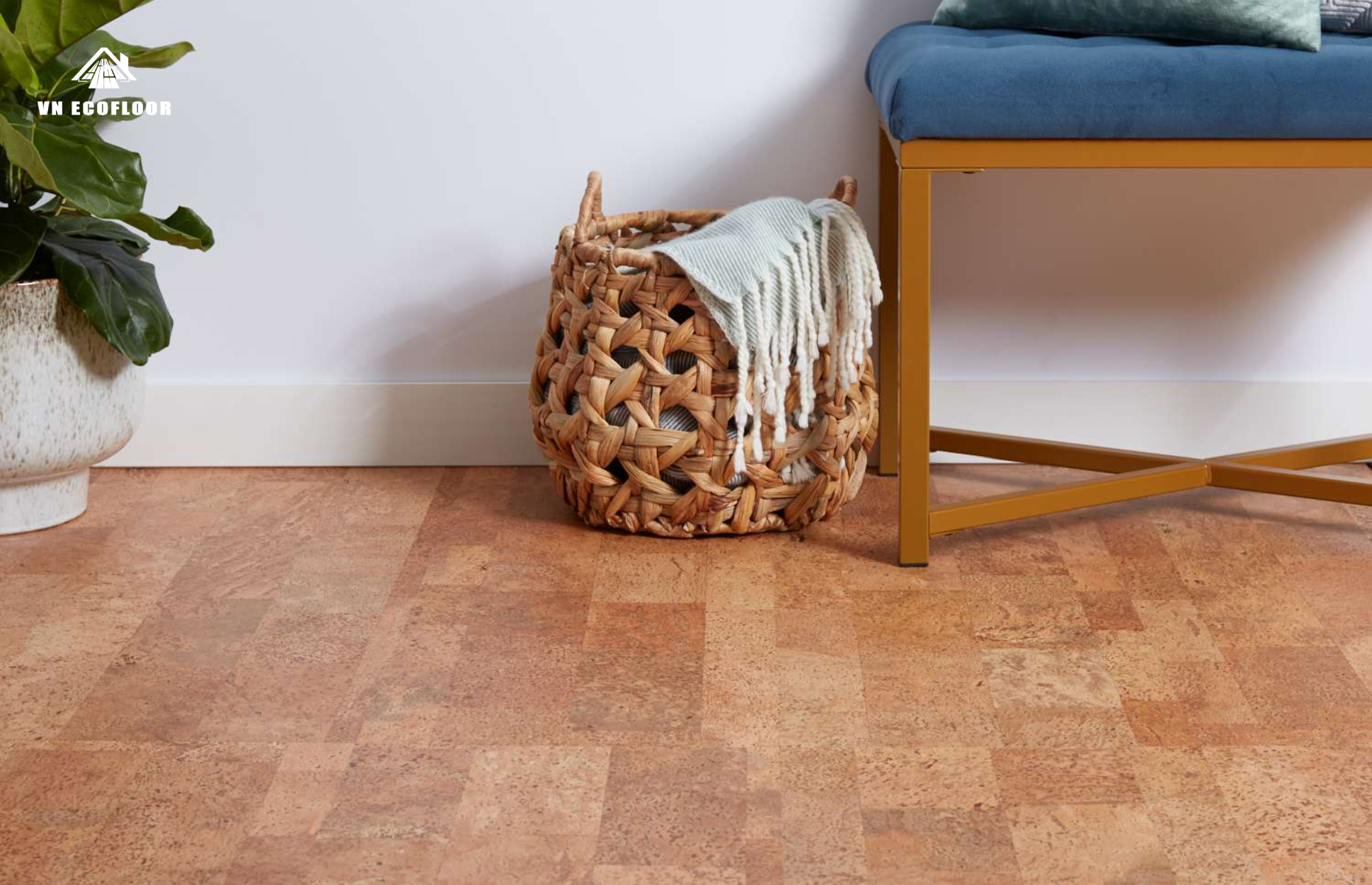
Cork is derived from the bark of the cork oak, and this is a green, cozy and uncommon flooring material. It is soft and insulating because of its natural air pockets.
Pros:
- Cozy: Soft and cushioning to the feet and easy on the joints.
- Good insulator: It is a natural thermal and acoustic insulator.
- Green and allergy-free: Environmentally conscious, antimicrobial, and waterproof.
Cons:
- Easily destroyable: Pieces of heavy furniture may cause permanent dents.
- Fades in sunlight: It deteriorates with direct exposure to UV light.
- Needs to be sealed: It needs to be closed every few years to avoid being subjected to moisture.
- Cost: Installed: around $5-12 per square foot.
Best in: Kitchens, playrooms, and bedrooms where comfort is central.
Rubber Flooring

Rubber flooring is also becoming common in residential settings, as opposed to its use in commercial gyms, due to its strength and comfort. It comes in tiles and sheets and comes in numerous colors as well.
Pros:
- Very tough and durable: damage-resistant and shockproof.
- Superior cushioning and grip comfortably without slipperiness.
- Low maintenance, water-resistant, clean and strong.
Cons:
- Can stain: Subject to oil and grease stains.
- A small variety of designs: more practical than decorative.
- May be rubber-smelling: There is an odor that evaporates with time on some products.
- Prices: Installed costs would be about $4 – $12 per square foot.
Ideal in: Home gyms and playrooms, as well as laundries.
Stone Flooring
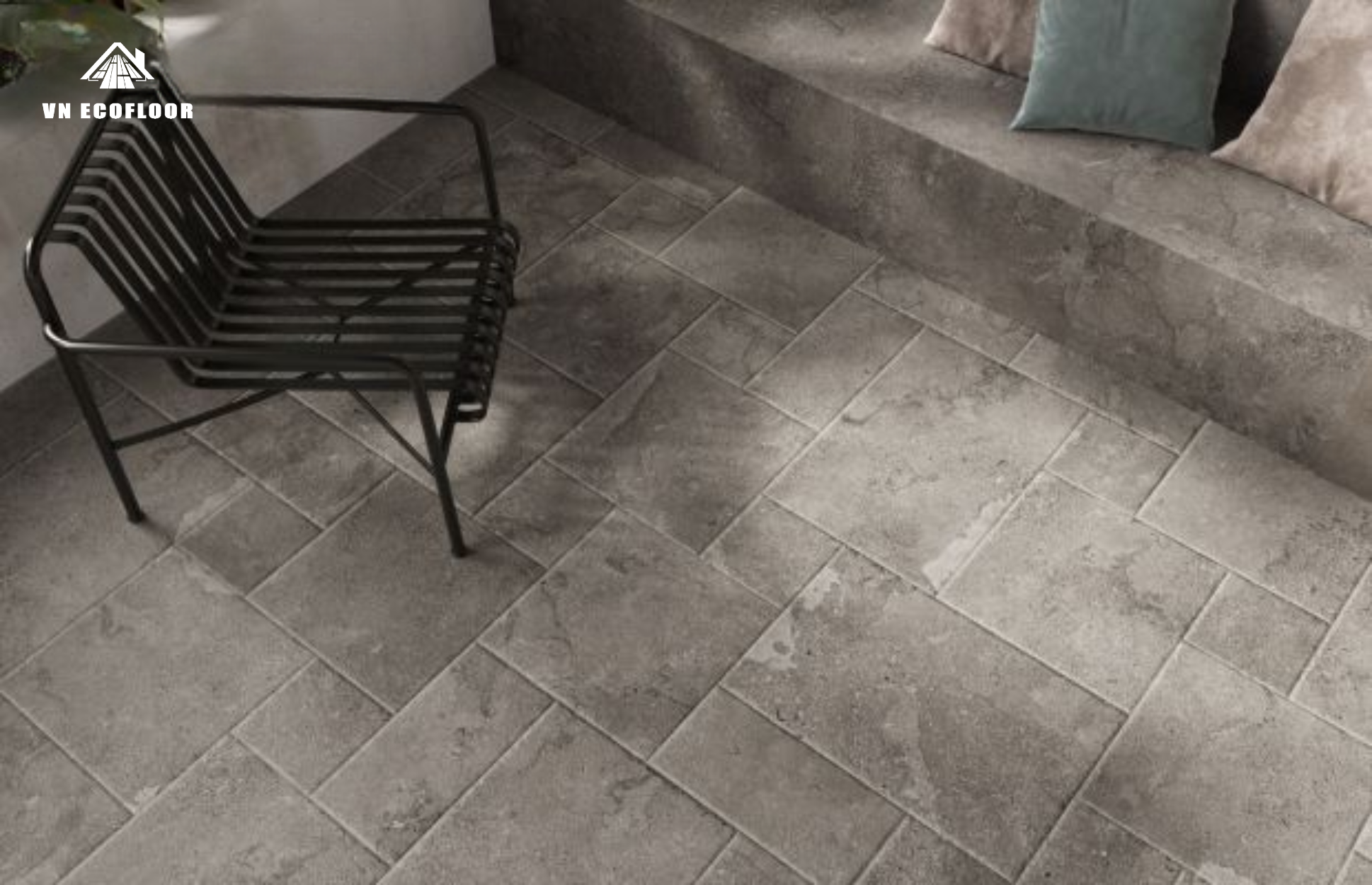
The natural stone floors, such as marble, granite, slate, and travertine, are very luxurious and long-lasting. The tiles are designed to be unique and make a unique floor.
Pros:
- Extremely tough: Will last a lifetime with proper treatment.
- Enduring beauty: Provides a high-end, classy appearance to any area.
- Clean: Sealed stone floors are easy to clean at times.
Cons:
- Very costly: It is one of the high-priced flooring options.
- Cold and hard: Underfoot stern.
- Porous: There are also porous stones, which one should seal to avoid stains.
- Price: On average, about $10-30 and above per square foot, installed.
Best: Well-illuminated doorways, kitchens, and bathrooms of high-end homes.
Linoleum Flooring
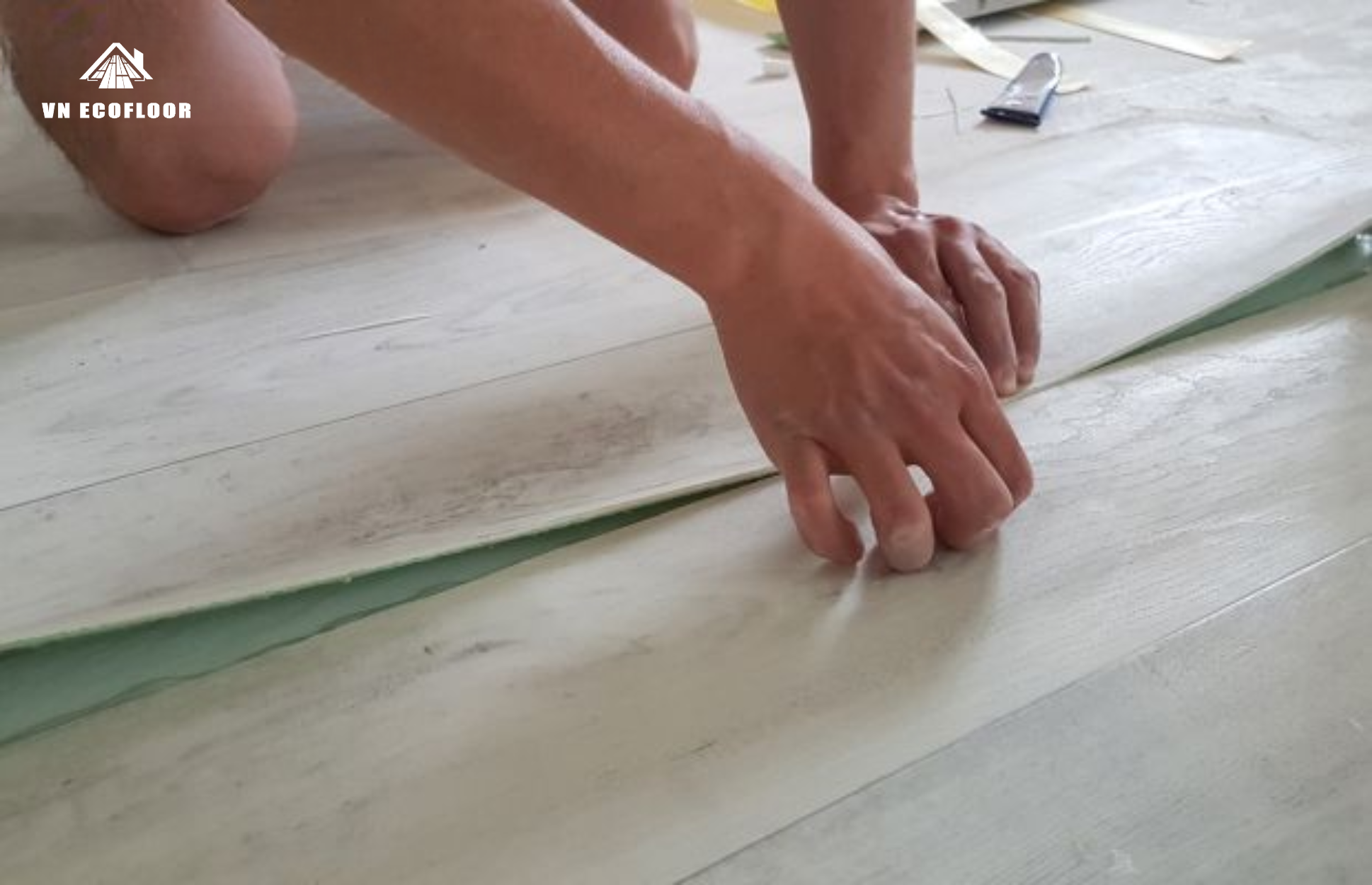
Marketed as a replacement to vinyl, the real linoleum is a friendly and environmentally friendly product that contains natural and renewable tenders, such as linseed oil, cork dust and wood flour.
Pros:
- Environmentally sound: Natural, biodegradable materials have been used.
- Durable and Water-resistant: Can be expected to last the next few decades and can withstand water.
- Antimicrobial: The biological inhibition of bacteria.
Cons:
- Can “amber” take on a yellowish tint with time, particularly the pale ones.
- Must be sealed: Its surface must be covered to avoid stains and damage.
- Price: $4-9 per square foot, installed.
Best: Applicable in all types of kitchens, bathrooms, and family rooms for those wishing to use a material that is considered green.
Concrete Flooring
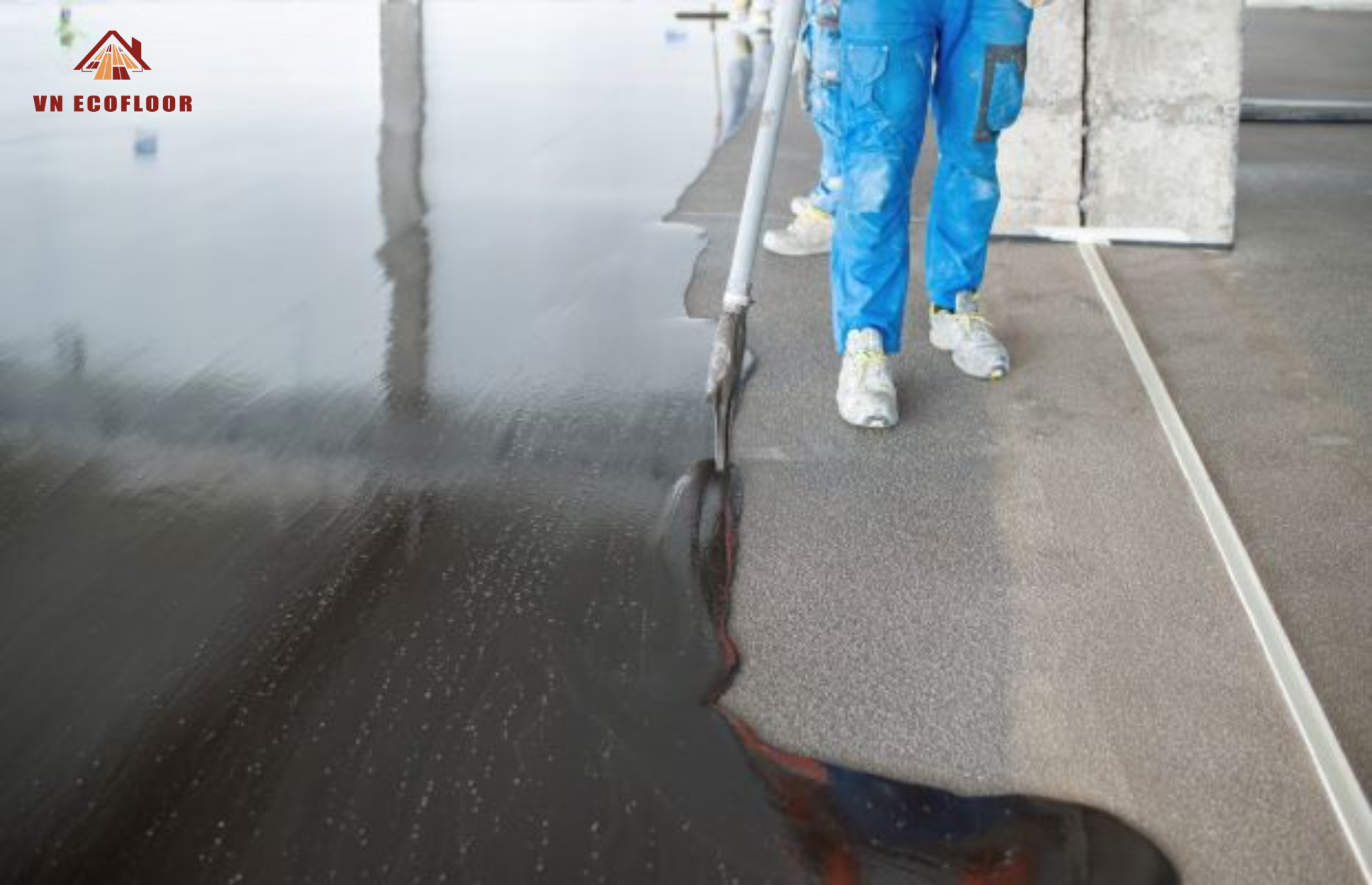
After being the secret behind other flooring, the concrete can now be praised for its industrial-chic look. It can then be stained, polished or stamped to produce a considerable variety of appearances.
Pros:
- Very tough: almost break-proof and very little maintenance.
- Flexible design: Personalized using colours and textures.
- Long-lasting: The duration of the house.
Cons:
- Very hard: Not forgiving to stand upon and might break things when dropped.
- Cold: Able to have cold feet without radiant heating.
- Disposed to cracking: Able to crack with time as the foundation settles.
- Price: Between 3 and 15 per square foot, with variations based on the finishing.
Ideal homes, categories, and areas: lofts, basements, and homes of a modern or industrial design.
Note on cost information
The guide provides price approximations for each type of flooring (e.g., 5-15 dollars per square foot installed, etc.) that are derived from extensive research and consultations with various reliable flooring installers and suppliers.
These numbers are supposed to represent the approximate scope of costs of materials and installation in the existing market, based on the experience of different sources in the industry and local service delivery organizations. It should be noted that the costs may be quite different depending on such aspects as
Particular quality of materials and brands: Better brands or materials in a category will automatically have a higher price.
Location: Prices may vary according to local labor prices and material supply.
Complexities in the project: The project may have complex layouts, subfloor preparation, and unique installation issues, some of which may hike the labor expenses.
Present market volatility: The prices of materials and the workforce are variable.
We will advise you to secure specific quotes from some of the local flooring experts to get the best and current pricing, depending on the kind of project you are doing.
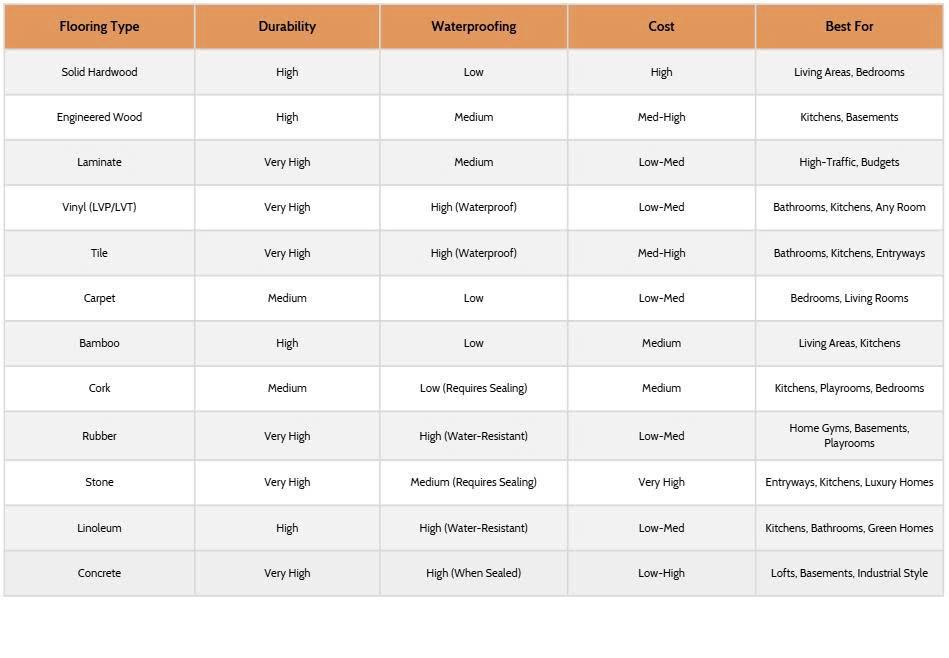
Quick Flooring Comparison
This table helps you compare some of the most popular options at a glance.
How to Select the Flooring Materials That Fits Your Place
These factors are to help you reduce your options:
Lifestyle: Do you have children or pets? You will desire a floor that is easy to wash, and that is free of scratches, such as the one made of vinyl and laminate.
Room Function: In rooms that are prone to moisture, such as bathrooms and basements, install a waterproof material such as tile or vinyl. In the case of bedrooms, comfort could be the factor, and therefore carpet would be an excellent choice. For a more natural appearance, light wood floors or dark wood colors may be regarded as a more comfortable choice that will make bedrooms welcoming.
Budget: Calculate your total budget, materials, and installation. Good low-cost materials include laminate and vinyl, whereas the high-cost materials include hardwood and stone.
Maintenance: Be realistic with the amount of time you would like to take to clean. Maintenance of tile and vinyl is extremely low, whereas hardwood could be more demanding.
Installation: Do you intend to do your own? The simplest to install by yourself are click-lock laminate and vinyl planks. The installation of tile and solid hardwood needs to be done by a professional.
Health and Safety: The flooring products must have a FloorScore certification, provided that the indoor air quality is among the highest priorities. This certification ensures that the material has low emissions of Volatile Organic Compounds (VOCs), contributing to a healthier living environment. (Source: SCS Global Services).
Frequently Asked Questions
- Which flooring material is the most durable?
Porcelain tile is most probably the strongest residential flooring, as it is extremely hard, scratch-resistant, and impenetrable. To achieve a softer touch and comparable life cycle, luxury vinyl plank (LVP) is a great option.
- What floor is best for money?
Laminate and sheet vinyl are usually the most useful options in terms of their value, as they offer excellent durability and appearance at a low cost of purchase as well as installation.
- What is the easiest flooring to have?
The flooring that is easily maintained is vinyl and tile. They do not get spoiled by rain and only need to be swept and mopped to maintain their fresh appearance.
- Which flooring is the easiest to lay?
The DIY installation is the simplest with luxury vinyl planks (LVP) and laminate flooring that has a click-lock system. They are suspended above the floor and do not need glue and nails.
- Which type would be best with pets?
Luxury vinyl and flooring are popular choices for pets. It is waterproof (in case of accidents), very scratch-proof, and easy to clean, and the best part is that it is soft/less noisy to paws to use as compared to laminate.
- What are the various soft flooring varieties?
Carpet, cork, and rubber are the primary kinds of soft flooring. The most traditional soft material is carpet with a different level of cushioning, cork, and rubber, which is the most resilient.
- What can we call a flooring that is not popular?
Hardwood flooring is an ancient and time-tested material that has been used for centuries. Its beauty in nature suits any kind of design, be it traditional or even modern and the natural beauty provides a permanent value to a house.
Are you ready to find your perfect floor?
Choosing new flooring is an important choice, but one that does not have to be mind-boggling. Now you have a question and answer on the specifics of the costs, decay and style of the best flooring materials available in the market. This information will enable you to make the right decision with utmost certainty and pick an alternative that is just right concerning the appearance of your home, the lifestyle of your family, and your finances.