

Flooring choice in large, residential, or commercial and mixed-use residential projects is a long-term investment decision and not a short-term aesthetic choice. This is because a lot of floor replacement causes high operation costs, long periods of downtime, and disruption of operations, which directly affect the efficiency of the project and the ROI.
On top of the surface look, the flooring is very important regarding longevity, performance in the lifecycle, maintenance needs, and the general functionality of the space. The appropriate flooring can add aesthetic integrity as well as comfort for the users, the effectiveness of its functioning, and durability in the form of future asset value.
Due to the constant improvement in the technologies of floors, the current market is rich with various materials that should satisfy various performance parameters, design possibilities, and budgetary levels. Developers, contractors, distributors, and OEM buyers need to understand the functionality of every type of flooring in many different applications.
In this article, the author gives a systematic comparison of the commonest forms of flooring so that B2B decision-makers can assess materials according to their use, durability, and installation specifications, as well as long-lasting worthiness, as opposed to upfront expenses.
Types of Flooring
All types of flooring, including vinyl, laminate, engineered wood, and solid hardwood, are used to perform a particular purpose in a residential or commercial setting. Continuous material innovation has provided a broader range of solution options, which has enabled the project stakeholders strike a balance between the performance needs, design intent, and cost-efficiency in various uses.
-
Bamboo
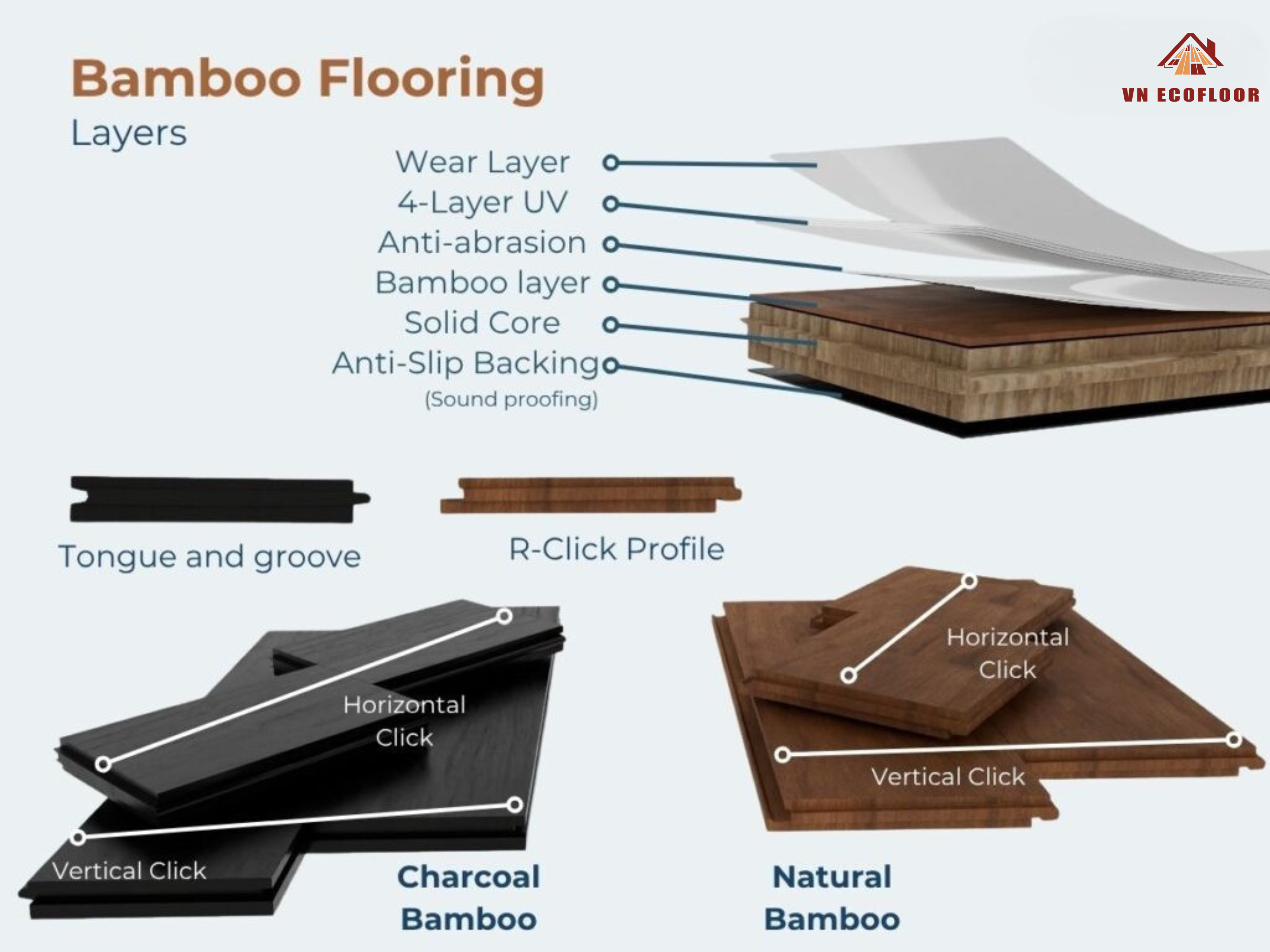
Bamboo is a tough grass that is made into a good-looking and lasting flooring material. As a fast-growing resource, bamboo can take only five years to mature, and thus it is a clean and green material.
Its mobility to survive in different climates and its power to resist humidity increase its flexibility, and it can be used in as vast an environment as possible.
Durability
The resilience of bamboo flooring is amazing, as it is usually tougher than traditional hardwoods. The musical arrangement of bamboo stalks and the application of strong adhesives, especially in woven-strand bamboo flooring, are also causes of its toughness.
Aesthetics
The aesthetic quality of bamboo flooring is unique, with a present and smooth look. Bamboo offers a flexible canvas to design the newest styles in different styles, such as natural or even carbonized ones.
Its special manufacturing process, which includes cutting, shredding, pressing, and gluing strands of grass, makes it have a unique and attractive floor.
Cost
The bamboo flooring, when it comes to projects and OEM, is normally placed in a mid-range flooring solution. The costs, including those of material grade, plank construction, surface treatment, and installation method, affect the overall cost.
In large-scale or commercial use, pricing is often determined not only by cost per unit but also by volume needs and complexity of installation over long-term performance. Installation is comparable to hardwood flooring and can influence overall project budgeting.
-
Vinyl Flooring
Vinyl flooring does not fool with its name since it is a durable and moisture-resistant flooring. One of the main attributes is resilience, which is available in different forms such as sheet, plank and tile.
It is an effective solution to a tradeoff between durability, looks, and the expenses incurred, thus imitating other types of flooring and making it an ideal choice in a rental property.
Durability
Vinyl flooring is also a durable flooring, as it is resistant to wear, dents, scratches, and stains. Particularly, sheet vinyl has scratch resistance, water resistance, and impact resistance, which make it one of the strongest options.
The core of SPC flooring, composed of stone polymer, provides additional durability with the possibility to bridge uneven subfloors.
Aesthetics
Vinyl colors, patterns, and styles are quite diverse, including realistic replicas of wood and stone. This diversity allows us to tailor it to individual tastes, and its lighter, more pleasant footing makes it superior to other firmer materials.
It is especially true of luxury vinyl flooring (LVF), which can be easily used to replicate the look of either stone and tile or wood.
Cost
In the case of pricing of vinyl flooring when it comes to evaluating it to use in OEM or large-scale projects, it should not be seen in terms of an established price value but as a project calculation.
Most Vinyl flooring costs are usually determined by various technical and commercial aspects, such as:
- Core (SPC rigid core, WPC, or flexible LVT)
- Total thickness & wear layer specification (0.3mm, or 0.5 mm, or tailor-made)
- Surface (EIR embossing, matte finish, UV coating)
- Installation system (click-lock vs. glue-down)
- Container loading volume and order volume.
- OEM/ODM needs like branding, packaging, and exclusive designs.
- Target market standards (US, EU, Australia, Middle East etc.)
-
Ceramic and Porcelain
Tiles made of ceramics and porcelain, which are known to have an enduring beauty, have some problems in some situations but have succeeded in the competition as a good choice of floors because of their alluring look.
Durability
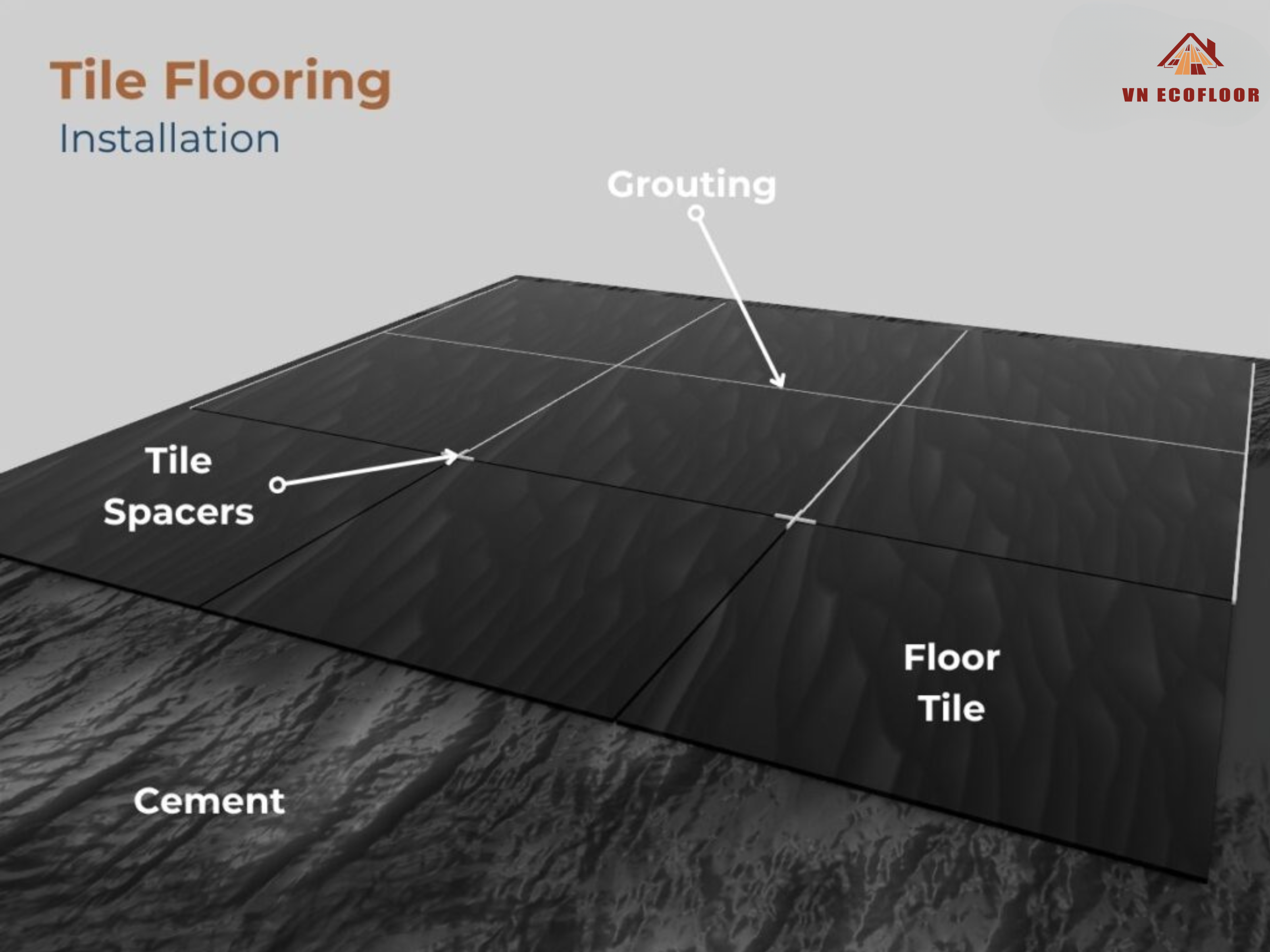
The expert installation would greatly improve their longevity, including addressing the problem of poor underlayment or spacing that can lead to cracking. Porcelain, which is fired at a high temperature, is more resistant and weather resilient than ceramic and consequently can be used both indoors and outdoors.
The hard and solid composition of ceramic tiles makes them resistant to dirt, dust, and allergens, which makes this material offer a clean and safe environment to asthmatics and allergy-prone individuals. Porcelain tiles, which are produced using finer and denser clay and fired at higher temperatures, have better durability, resistance to scratches, and resistance to stains.
Aesthetics
Mimicking the natural beauty of a stone, tile flooring, whether ceramic or porcelain, provides an extensive variety of colors, patterns, and sizes. The versatility equips the product with a graceful and elegant look.
Cost
Porcelain and tile flooring is also considered a long-term investment since it is long-lasting and beautiful. The total cost, however, differs dramatically according to the type of tile, thickness, and finish of the surface and the place at which the tile should be installed.
Other factors that affect the cost of projects are the subfloor preparation, the intensity of labor, and the application of grout systems, as well as the complexity of the design, particularly when dealing with customized layouts. Consequently, it is used to evaluate pricing on a project-by-project basis, especially where it concerns a commercial and hospitality setting.
-
Laminate
Laminate floors are made of a composite building, plywood or fiberboard inner layer and a photographic image layer simulating the appearance of wood, stone or other substances. The finished product is a layer on the floor that is created by a clear plastic wear layer, which increases the resistance of the floor to scratches and stains.
Durability
The laminate flooring has also experienced dramatic evolution in the enhancement of longevity, most of which has been as a result of the stiffening of the wear layer and the base layer of laminate flooring. The transparent wear layer is a notable item, as it has exceptional resistance to scratches due to such activities as pet claws and furniture movement.
The Abrasion Class (AC) ratings, AC1 to AC5, measure and offer great knowledge of the resilience of the floor to the traffic of different levels. Laminate is mostly resistant, but it is of great importance to keep in mind how sensitive it is to moisture, especially on the edges, and to make it perfectly sealed during installation.
Moisture-prone environments can be fitted with waterproof laminate; however, this solution does away with all the wood material, which makes the difference between laminate and vinyl floors unclear.
Aesthetics
Laminate flooring is available in a wide variety of styles, such as realistic wood and tile design options, and costs less than hardwood, offering an economical way of giving the visual appearance of hardwood or stone to the homeowner. The construction technique of the flooring consists of a photographic image layer, and thus it can easily resemble different materials.
The repetitive nature of the laminate could, however, be exploited for realism in the installation, which would need a tactical combination of different box planks to ensure less repetition of them. There are even certain brands with a cork backing to absorb sound to add to the overall aesthetic experience.
Cost
Laminate flooring is known to be a relatively cheap substitute for natural wood flooring. It relies on the specifications of core materials, surface wear, locking mechanism, and wear layer to uphold its pricing. Laminate flooring also has benefits over OEM and high-volume customers in both ease of construction and the uniformity of production, which makes it a cost-saving factor in the overall residential and light-commercial work.
-
Solid Hardwood
Solid hardwood floorings are most appropriate in rooms located on the first or second floor that have little water exposure and foot traffic. The decision in favor of prefinished and unfinished solid hardwood floors is determined by preferences, as the prefinished version may be installed instantly since it has a protective layer.
Rough hardwoods offer the ability to be customized using stains on-site.
Durability
Having the possibility to restore evidence of thick wood to its unblemished state is what makes solid hardwood one of the most durable floorings. Although it is also prone to scratching, the scratches and gouges can be felt as aspects of its personality and nature.
With the help of a drum sander, deep sanding can be done, and with most solid hardwood floors, it can be restored to its smooth outlook. The hardness rating is a measure of the hardwood’s durability and strength, with its types rated considering their hardness and internal pressure.
Aesthetics
Hardwood flooring, which is made of solid milled wood, has a classical touch of beauty and natural comfort that adds to the beauty of any living environment. Popular types of hardwood as maple, oak, walnut, or cherry, are versatile and of quality.
Slabs of wood species, finishes, and stains enable the selected orientation of aesthetics to be quite extended. The inherent changing patterns of grains help add nature to the flooring and so the whole atmosphere of a room.
Cost
Hardwood flooring is placed as a high-cost flooring brand, and the total costs of its project will increase due to the procurement of raw material, its depth, the type of species used, and its finishing process. Besides the material aspect, there are factors like installation labor, acclimatization time, and the maintenance needs in the long run, which are also important in the total cost planning. This is why hardwood can be frequently chosen when the project is focused on the aesthetic value and the planning of the further increase of asset value.
-
Engineered Wood
Engineered wood flooring comes out as an economical, appealing to the eye, and lasting flooring material. The multi-layered structure makes it durable and resistant to changes in humidity and creates water resistance. The simplicity and affordability of the DIY quality of its installation and the perception of the natural wood design contribute to an attractive choice by the owners of the houses who would love to enjoy a good blend of reliability, visual attractiveness, and definite affordability.
Durability
The layered structure of engineered flooring gives it good durability. This type of flooring is made up of layers of thin wood that are bonded in between with adhesives, and it becomes resilient to humidity; hence less susceptible to finding it easier to expand and shrinking as compared to solid wood.
Although the upper part is delicate and prone to scratches, like solid hardwood, it is capable of enduring wear and denting in conditions of being well-installed and of good quality. It is rated well in stability, and it takes up moisture throughout the year better than solid wood.
Nevertheless, the life of the engineered wood will depend on the thickness of the top wear layer. Whereas a product can be refinished once or twice, some products will not offer that option.
Aesthetics
Man-made wood flooring captures all the beauty of the natural wood at a relatively lower cost than solid wood with ease. It is made of a thin coating of genuine timber or bamboo glued to a good plywood base and provides the charm and beauty of solid hardwood.
Cost
Engineered wood flooring is a compromise between natural wood and control of cost. Factors that affect pricing include ply construction, veneer thickness, core stability and installation system.
Its use with floating or click-lock structures can be a good way of maximizing labor efficiency in residential and commercial projects and therefore is a viable option among the buyers who want to have a wood appearance with enhanced dimensional stability.
Eco-Friendly Flooring Solutions (OEM and B2B)
Following the consideration of the flooring choice on the basis of performance, stability, and affordability, sustainability is probably a vital factor of the decision regarding flooring choice—especially where there are vast residential, commercial, and institutional projects. Green flooring is no longer a niche market interest but a strategic necessity, based on environmental regulations and eco-social responsibilities, and the increase in demand for responsible building materials.
In the case of developers, architects, contractors, and even OEM partners, the choice of floors has a direct impact on minimizing the environmental costs, enhancing the indoor air quality, and exceeding the international standards of the green building. Sustainability is to be considered along with lifecycle performance and scalability, whether it is rigid core vinyl, engineered, concrete-based, or rapidly renewable.
In a market where sustainability is becoming a compulsory measure, it is important to rely on the selection of flooring solutions that can support the following criteria: eco-certification, low-VOC, and responsible production. Besides durability and cost-effectiveness, green flooring also offers long-term asset value, compliance with regulations, and name recognition across international supply chains.