


When exporting goods across international waters—especially into highly strict markets like the USA, Canada, Europe, or Australia—there is one critical shipping procedure you cannot afford to skip: fumigation.
If you’re a B2B buyer sourcing resilient flooring from an international hub, understanding the logistics, legal requirements and hidden traps of the fumigation process is the key to a smooth, headache-free supply chain. Let’s take a closer look at what fumigation is, when it applies to vinyl flooring shipments, and why it matters to your bottom line.
What Exactly Is Fumigation in International Shipping?
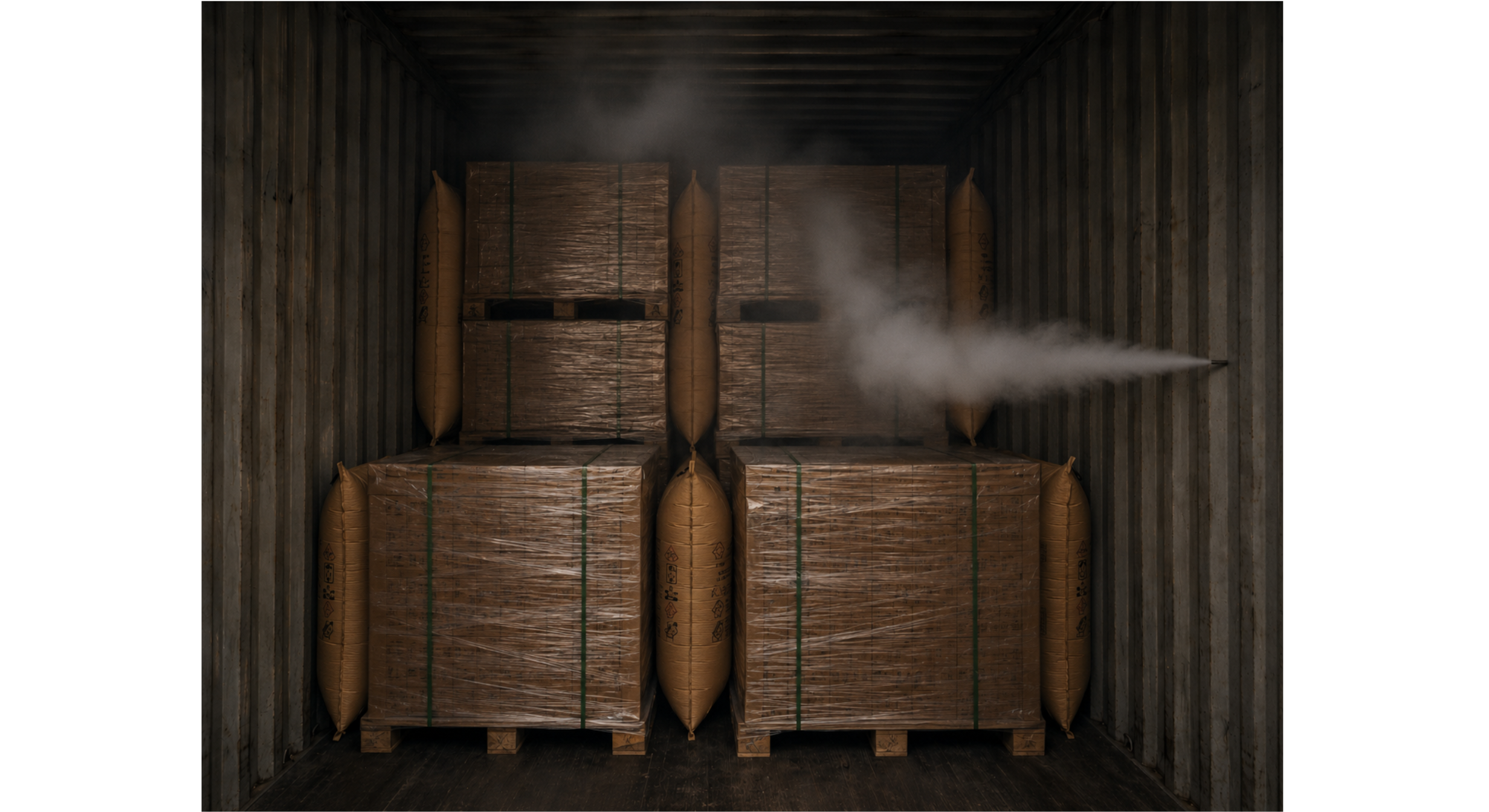
In the world of global logistics, fumigation is a specialized pest control method. It involves completely sealing a shipping container or the packing materials inside and filling them with gaseous pesticides (known as fumigants, most commonly methyl bromide or phosphine). This gas penetrates deep into porous materials to smother and kill any hidden wood-boring insects, termites, beetles, larvae, or exotic pests.
Border security agencies don’t care about the synthetic vinyl flooring planks themselves. They are fiercely protecting their local ecosystems from invasive foreign pests that might hatch out during transit and decimate native forests.
The Legal Framework: What is ISPM 15?
International trade has a strict set of regulations called ISPM 15 (International Standards for Phytosanitary Measures No. 15). The rule, created by the International Plant Protection Convention (IPPC), requires that any Wood Packaging Material (WPM) thicker than 6mm used in shipping be heat-treated or fumigated, and be officially stamped before it is allowed to cross international borders.
Does Synthetic Flooring (SPC/LVT) Actually Need Fumigation?
This is where many new sourcing managers and wholesalers get tripped up. They think: “SPC is made of limestone powder and virgin plastic polymer. LVT is pure vinyl. There isn’t a single shred of natural wood inside the plank for bugs to eat. Why is my freight forwarder talking to me about fumigation?”
The answer doesn’t lie in the flooring material—it lies in the packaging and loading accessories inside your container.
Even though SPC and LVT are 100% synthetic, waterproof, and inherently pest-proof, they are incredibly heavy products. Factories need to pack the retail boxes onto heavy-duty pallets and secure them inside the container with solid wood bracing blocks, dunnage and timber stabilizing beams so they can be shipped safely across the ocean without shifting.
When Fumigation Is Mandated:
- Raw Timber Pallets: If your OEM factory loads your flooring containers using raw, non-treated solid wood pallets, the entire container must undergo official gas fumigation.
- Solid Wood Bracing & Dunnage: Even if you use plastic pallets, if the factory uses raw solid wood timber beams to brace the load tightly against the container doors, customs will flag the container for fumigation.
When Fumigation Can Be Exempted:
- Engineered Wood Pallets: If your factory utilizes plywood, OSB (Oriented Strand Board), or plastic pallets, these materials are exempt from ISPM 15 rules because the manufacturing process (high heat and intense pressure) automatically destroys any living biological pests.
- Loose Loading (Floor Loading): If the factory loads the retail boxes directly onto the floor of the container without any wooden pallets or raw timber bracing, no fumigation is required.
How a Container Is Fumigated
To keep your supply chain timelines predictable, it helps to understand what happens at the port of departure before your container gets loaded onto the vessel:
[Container Loaded at Factory] ──> [Arrival at Port Terminal] ──> [Gas Injection & 24-Hour Seal] ──> [Ventilation & Testing] ──> [Fumigation Certificate Issued]
In detail:
- The Setup: The container is packed at the factory and driven to the port terminal. A certified pest control agency seals all ventilation holes and attaches gas lines.
- The Injection: The designated fumigant gas is pumped into the sealed container.
- The Exposure Window: The container must remain completely sealed for a strict window (typically 24 hours) to allow the gas to fully penetrate every wooden cell.
- Ventilation & Cleansing: The container is unsealed and allowed to air out safely until gas levels drop to zero.
- The Passport: The agency issues an official Fumigation Certificate (Chứng thư khử trùng). This document is submitted along with your Bill of Lading and Commercial Invoice to customs at your destination port.
Why “Cheap” Fumigation Can Cost You Thousands
As a B2B buyer, you must always audit how your OEM partner handles export logistics. Cheap, inexperienced factories or careless trading companies often cut corners on fumigation, leading to three catastrophic risks for your brand:
1. The “Borrowed” Stamping Nightmare
Some low-grade facilities use raw wood pallets and manually stamp them with a fake IPPC/ISPM 15 logo without actually running the gas treatment at port. If border customs in the USA or Europe run a spot-check and detect living larvae or mold inside the wood, they won’t just fine you. They will order the entire container to be rejected and shipped back at your expense, completely breaking your retail supply chain.
2. Moisture and Rain Traps
If raw wood pallets are left outside in a monsoon or high-humidity environment before being loaded into a sealed container for a 30-day ocean voyage, that wood will sweat. The trapped moisture can cause mold to grow on your custom-printed retail boxes, ruining your brand’s out-of-the-box presentation.
3. Chemical Residue Fears
A factory must strictly monitor the aeration phase. If a container is closed too quickly after gas treatment, residual pesticide odors can get trapped inside the packaging, leading to strong chemical smells when your retail customers open the boxes at their warehouse.
Why Global Wholesalers Trust VN Ecofloor for Flawless, Compliant Logistics?
Export logistics is an exact science, and you need a reliable, established manufacturing partner to help you navigate international maritime laws, customs declarations and phytosanitary compliance. That is precisely why leading international flooring distributors centralize their private-label production with VN Ecofloor.
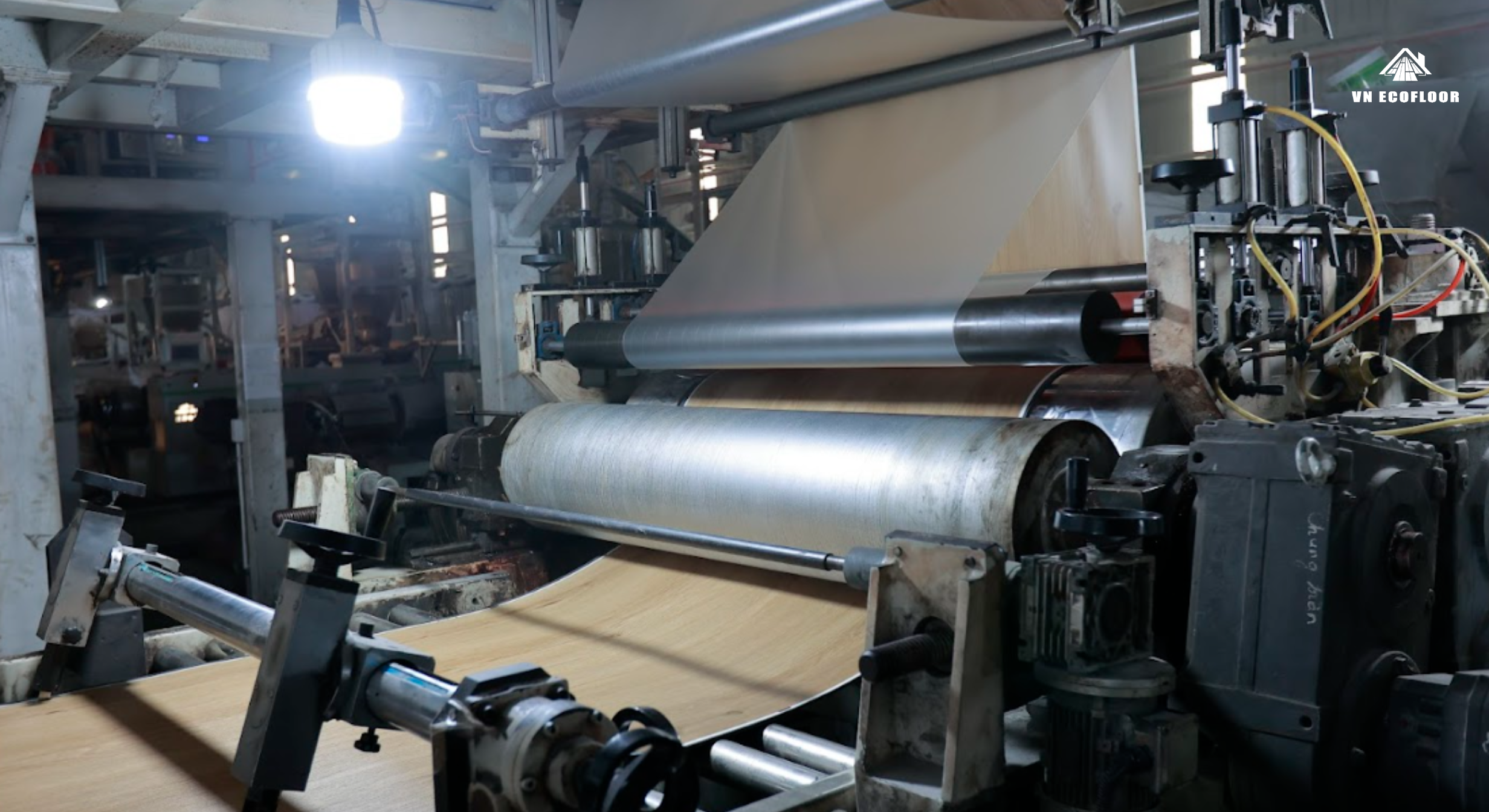
Operating as an export-focused manufacturing powerhouse out of Vietnam since 2017, the VN Ecofloor team brings nearly 10 years of global export wisdom directly to your supply chain, smoothly servicing the highly demanding customs frameworks of the USA, Canada, Europe, and Australia.
- 100% Compliant, Traceable Logistics: We do not take shortcuts with customs. We have an export department that handles every container with a fumigation certificate, official and legally verifiable, issued by globally recognized inspection authorities.
- Pure Virgin Core Integrity: While we protect your shipments externally with flawless logistics, we safeguard your product internally by using strictly 100% Virgin Resin rigid cores. This ensures your SPC and LVT collections are 100% waterproof, structurally stable, and entirely safe, passing strict indoor chemical emission tests like FloorScore® and CE.
Don’t let a simple customs paperwork error or a bad pallet choice freeze your retail inventory at the port. Partner with a veteran manufacturer built to clear global borders effortlessly.
Ready to collaborate with an export partner that guarantees smooth customs clearance and absolute structural excellence? Head over to our official website at vnecofloor.com to explore our full manufacturing setup, or connect directly with our B2B logistics and sourcing team to plan your next container order today.
Hotline/WhatsApp: +84 88 801 81 28
Official Website: vnecofloor.com
FAQs
- What is fumigation in flooring exports?
Fumigation is a pest-control treatment used in international shipping to eliminate insects, larvae, termites, beetles, or other pests that may hide inside wooden packaging materials. For flooring exports, fumigation is usually not required because of the SPC or LVT planks themselves but because of the wood pallets, dunnage, or timber bracing used inside the container.
- Does SPC or LVT flooring need fumigation?
SPC and LVT flooring are synthetic materials, so the flooring planks themselves do not usually need fumigation. However, if the shipment uses raw solid wood pallets, wooden blocks, or untreated timber bracing, fumigation or other approved treatment may be required to meet international shipping regulations.
- What is ISPM 15 and why does it matter?
ISPM 15 is an international phytosanitary standard for wood packaging materials used in global trade. It helps prevent the spread of harmful insects and pests across borders. For buyers, this matters because non-compliant wood packaging can cause customs delays, extra costs, container rejection, or even shipment return.
- When is fumigation required for flooring containers?
Fumigation is usually required when the container uses untreated solid wood packaging materials, such as raw timber pallets, wooden bracing, dunnage, or packing blocks. These materials can carry pests, so they must be properly treated and documented before entering many importing countries.
- When can fumigation be avoided?
Fumigation may be avoided if the shipment uses exempt packaging materials such as plywood pallets, OSB, plastic pallets, or other processed wood materials that are generally not regulated under ISPM 15. Loose loading without raw wooden pallets or untreated timber bracing may also reduce the need for fumigation, depending on the destination market and shipping requirements.
- What documents should buyers ask for after fumigation?
Buyers should ask for an official fumigation certificate or phytosanitary-related document issued by an authorized pest-control or inspection agency. This certificate helps customs verify that the wood packaging materials were properly treated before shipment. It is usually submitted together with other export documents such as the Bill of Lading, Commercial Invoice, and Packing List.
- Why should flooring buyers care about fumigation before placing an order?
Fumigation may sound like a small logistics detail, but it can directly affect delivery time, customs clearance, and total import cost. If wood packaging is not properly treated or documented, the container may be delayed, inspected, rejected, or returned. For wholesalers and retailers, that means stock shortages, missed project deadlines, and unexpected expenses.